National Park · Surat Thani, Southern Thailand
Khao Sok National Park
One of the world's oldest rainforests and the wild heart of Southern Thailand — towering limestone karsts, the emerald Cheow Lan Lake and rare wildlife around every corner.
Reviews sourced from Google Maps user reviews · See all reviews on Google Maps ↗
Rating and review count synced from Google Maps user reviews · September 2026 · See all reviews on Google Maps↗
National Park · Surat Thani
Khao Sok National Park
KHAO SOK NATIONAL PARK
Today's Weather & Light Windows
Live weather at Khao Sok
Times computed from Khao Sok's real coordinates
About
Khao Sok National Park — Southern Thailand's Wild Heart
A 739 km² sanctuary of primeval rainforest, hidden lakes and some of Southeast Asia's richest wildlife
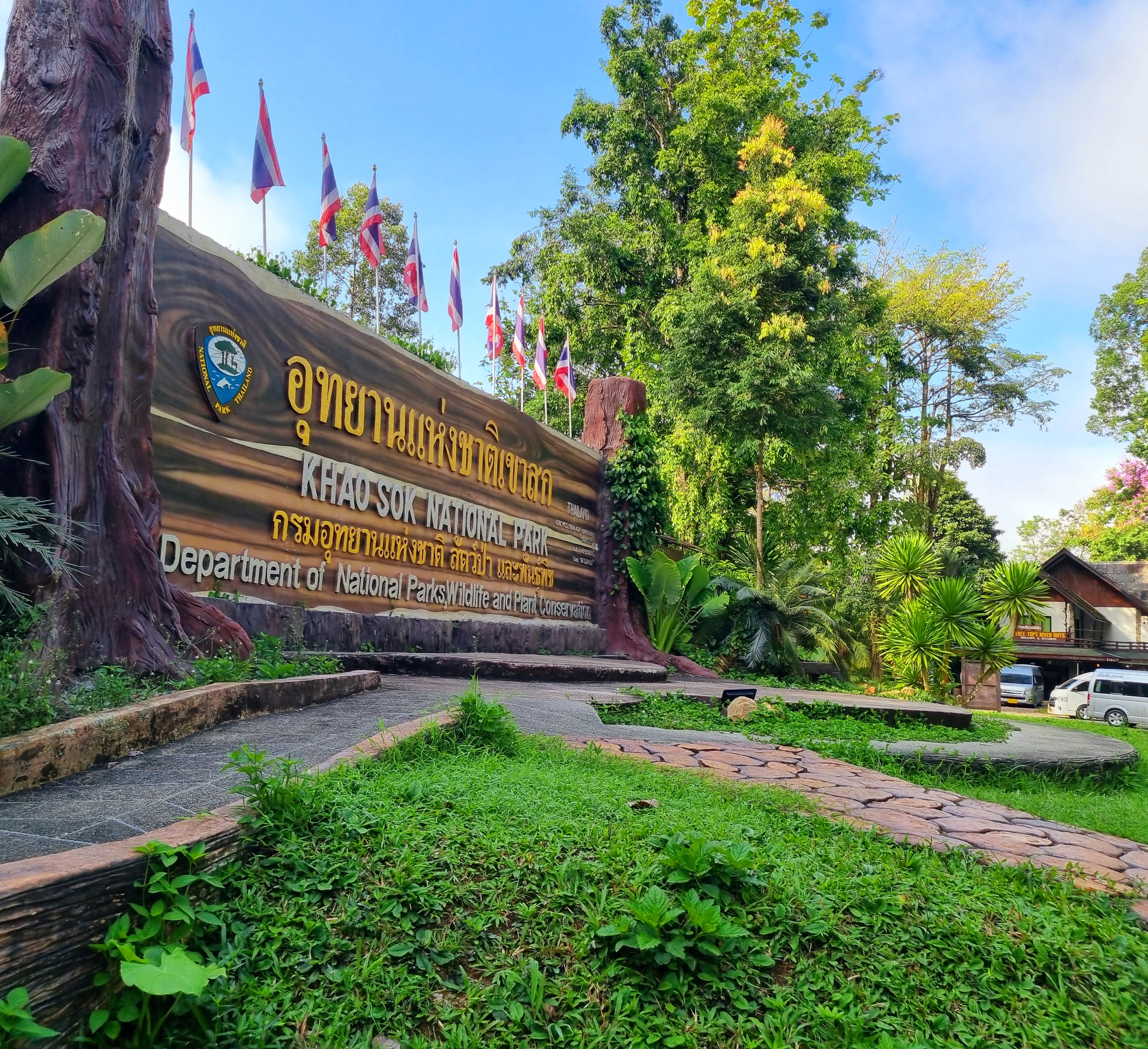
Welcome to Khao Sok National Park — widely known simply as Khao Sok. Located in Ban Ta Khun, Surat Thani, Thailand, this destination serves as a primary hub for travellers visiting the region.
Khao Sok National Park covers about 739 km² in Surat Thani Province, Southern Thailand. Established in 1980 as the country's 22nd national park, it protects one of the oldest rainforests on Earth — its ecosystem is estimated to be around 160 million years old, far older than the Amazon.
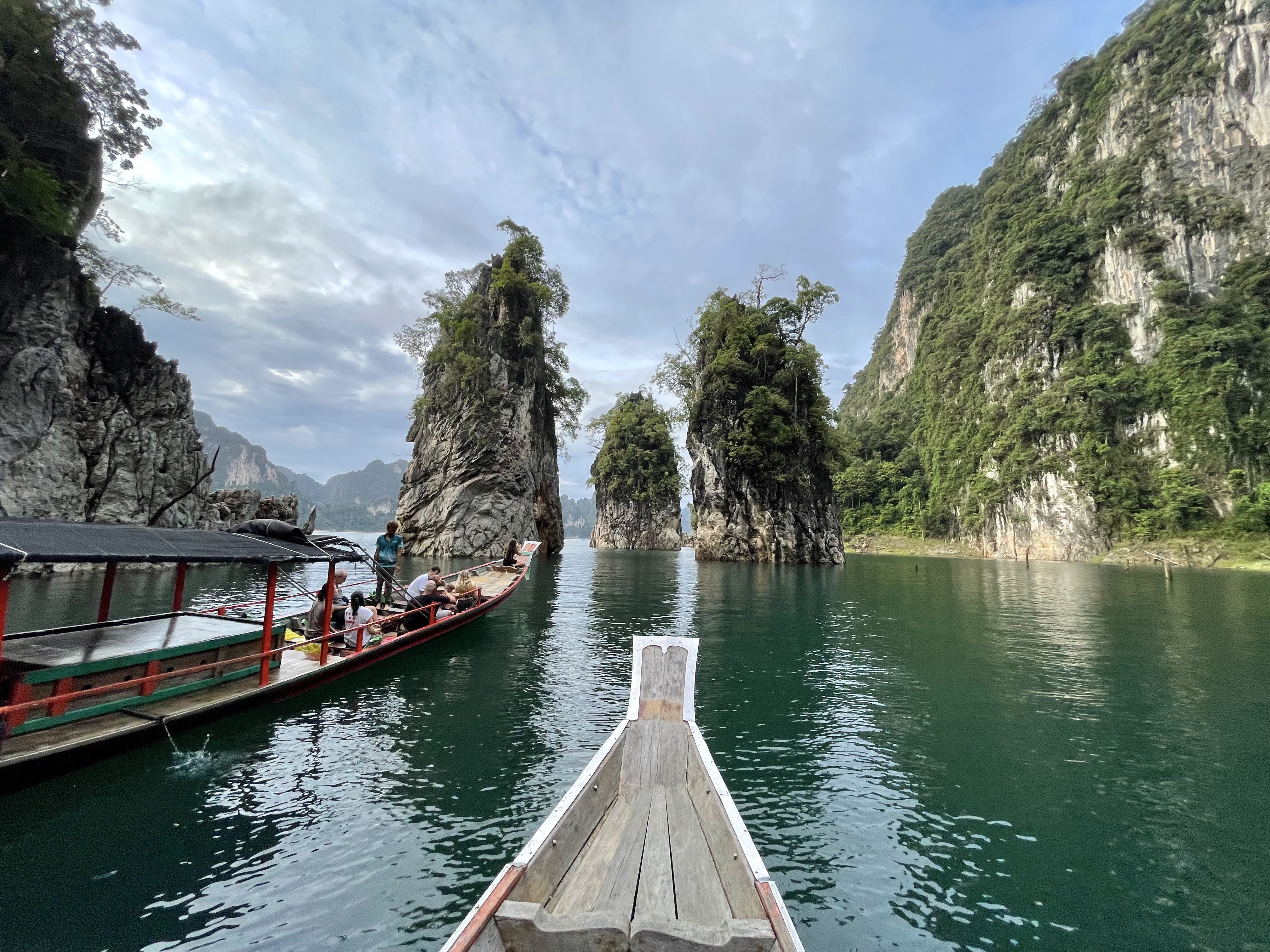
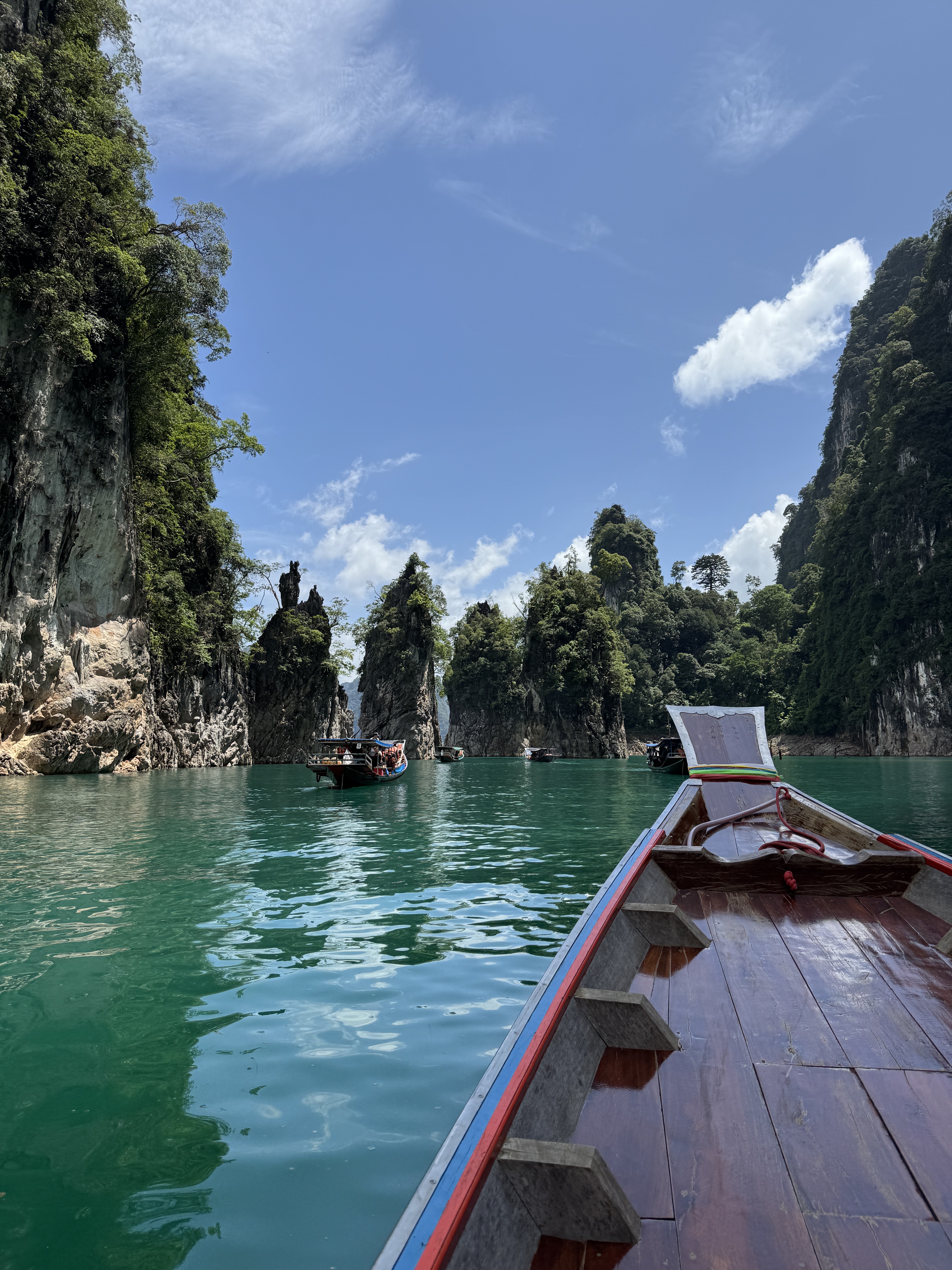
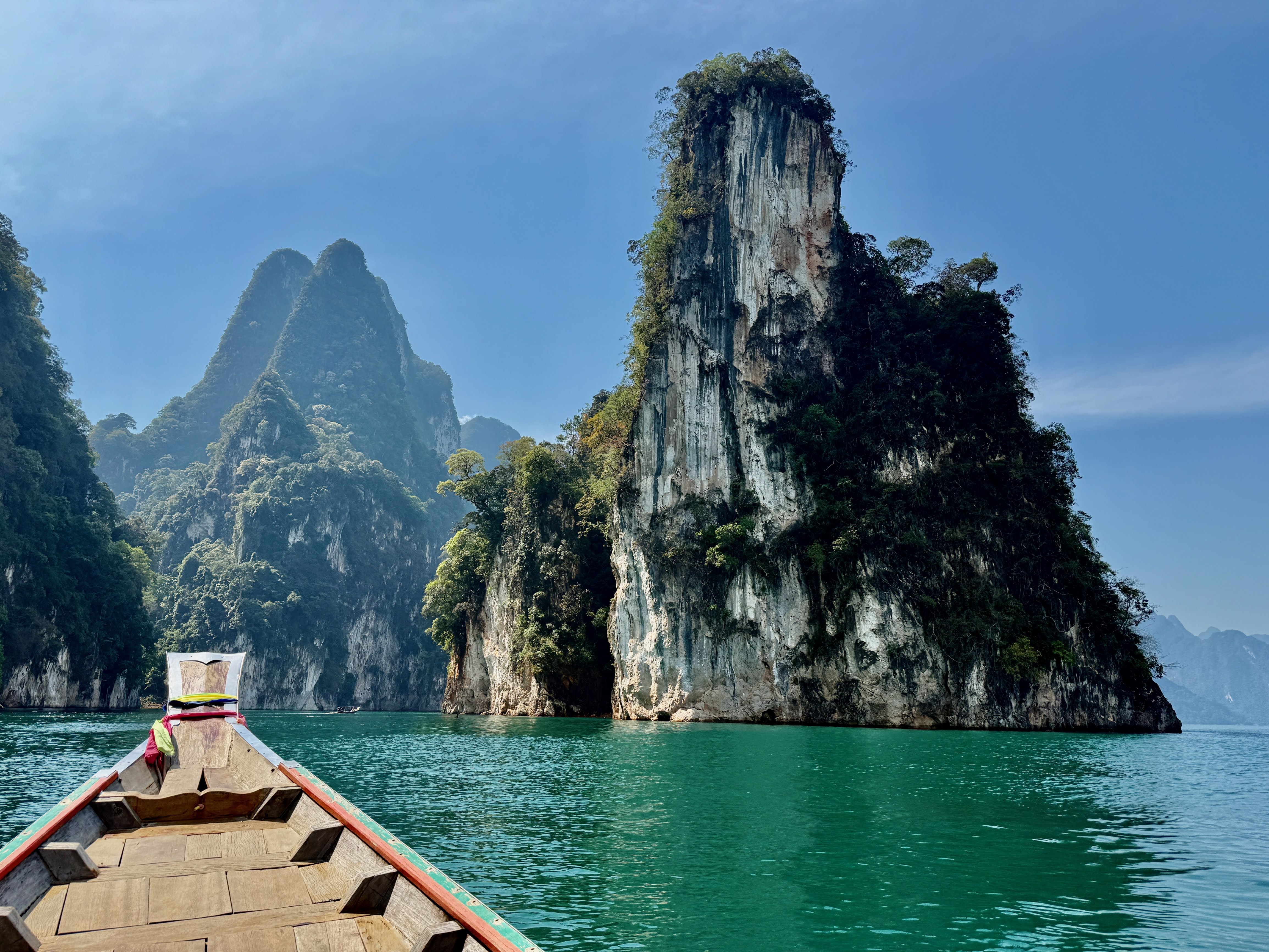
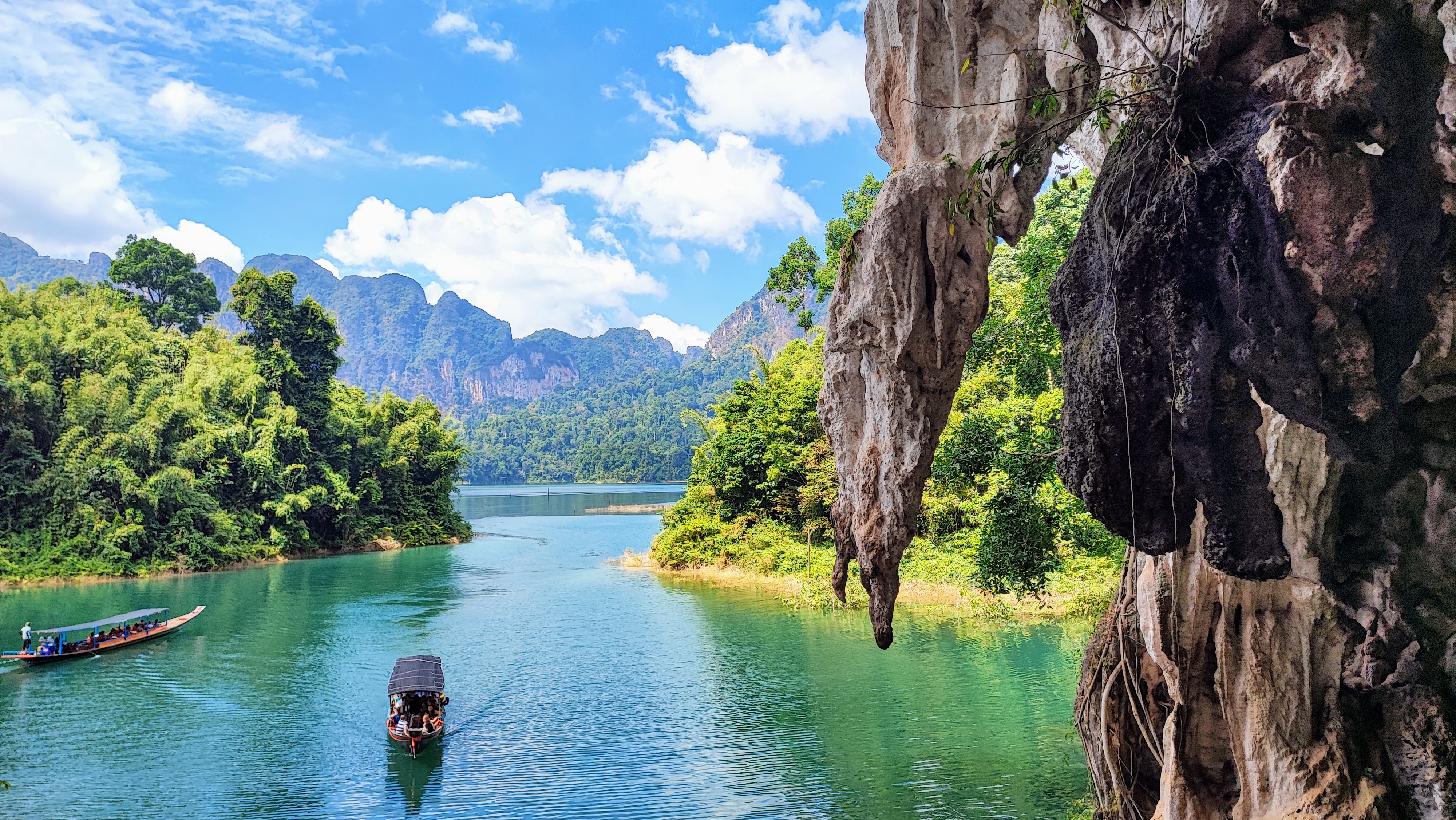
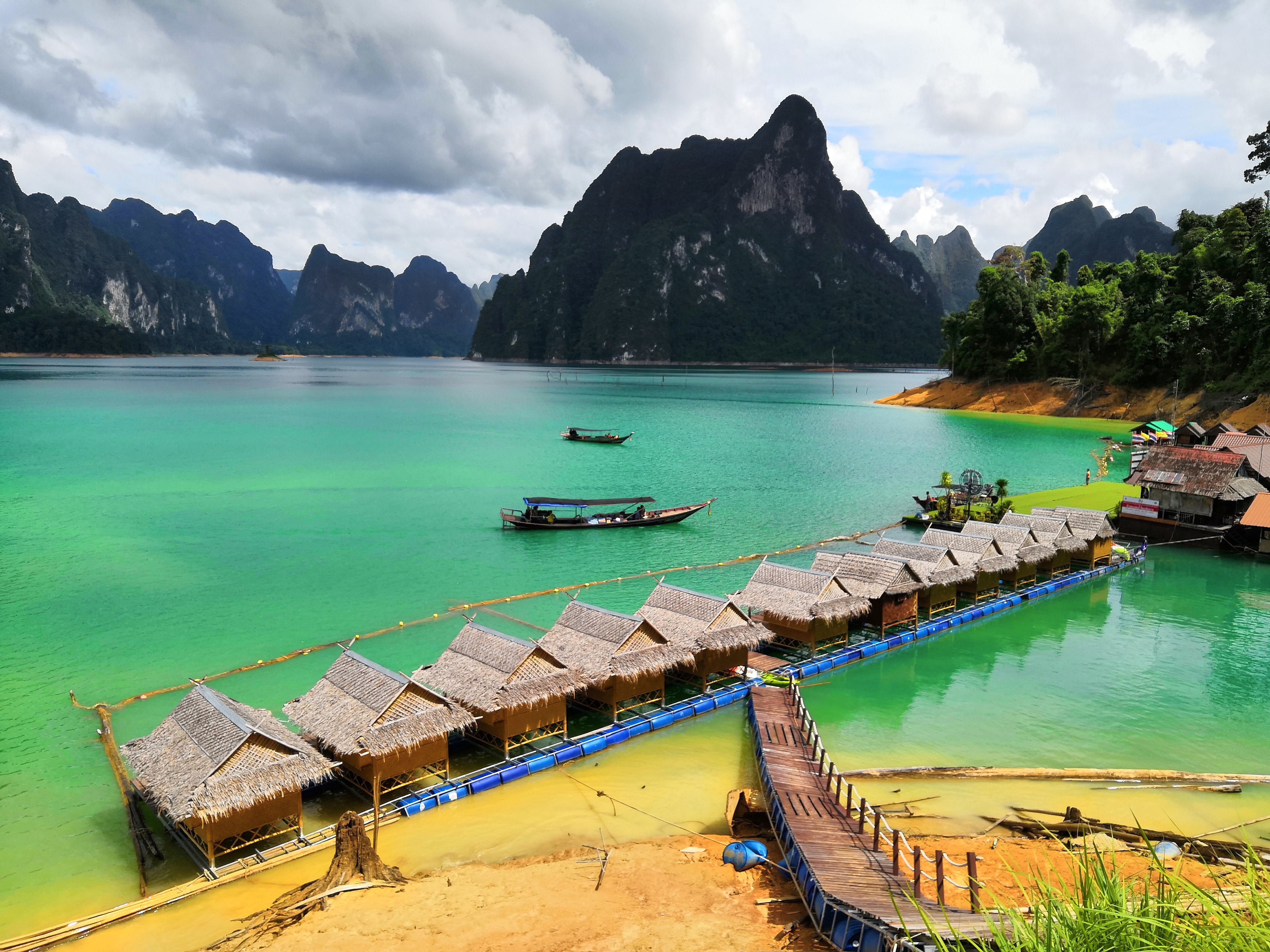
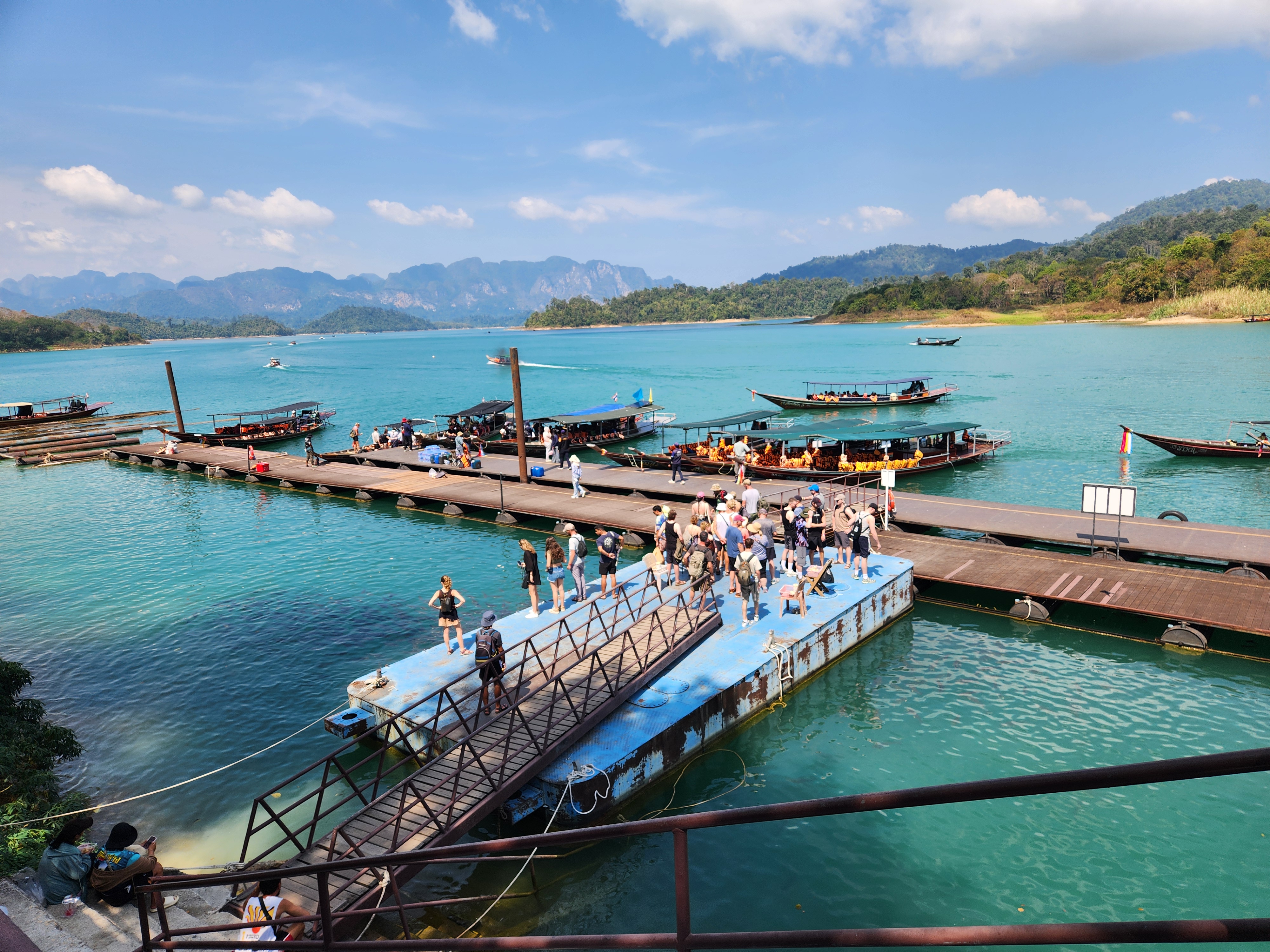
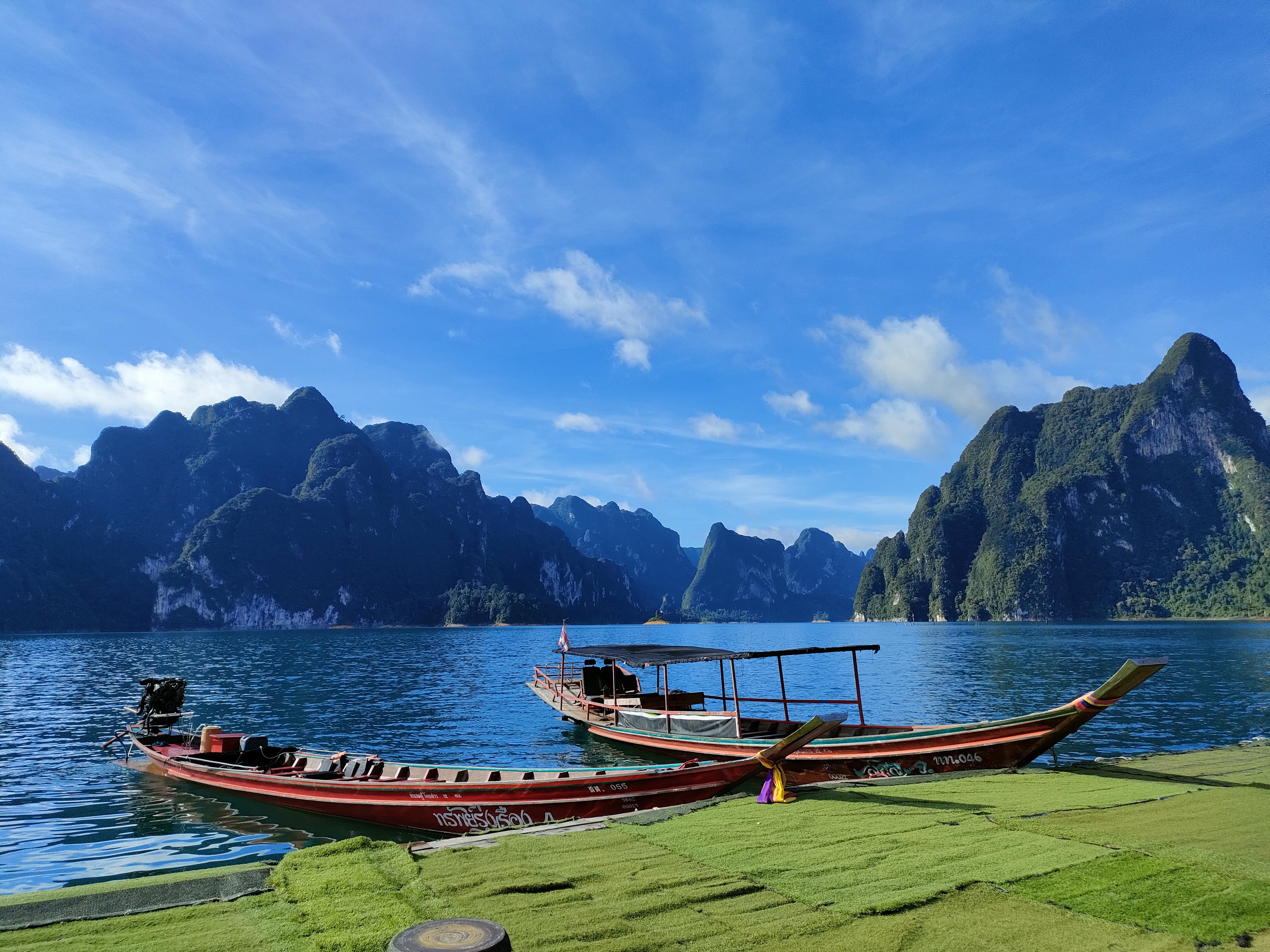
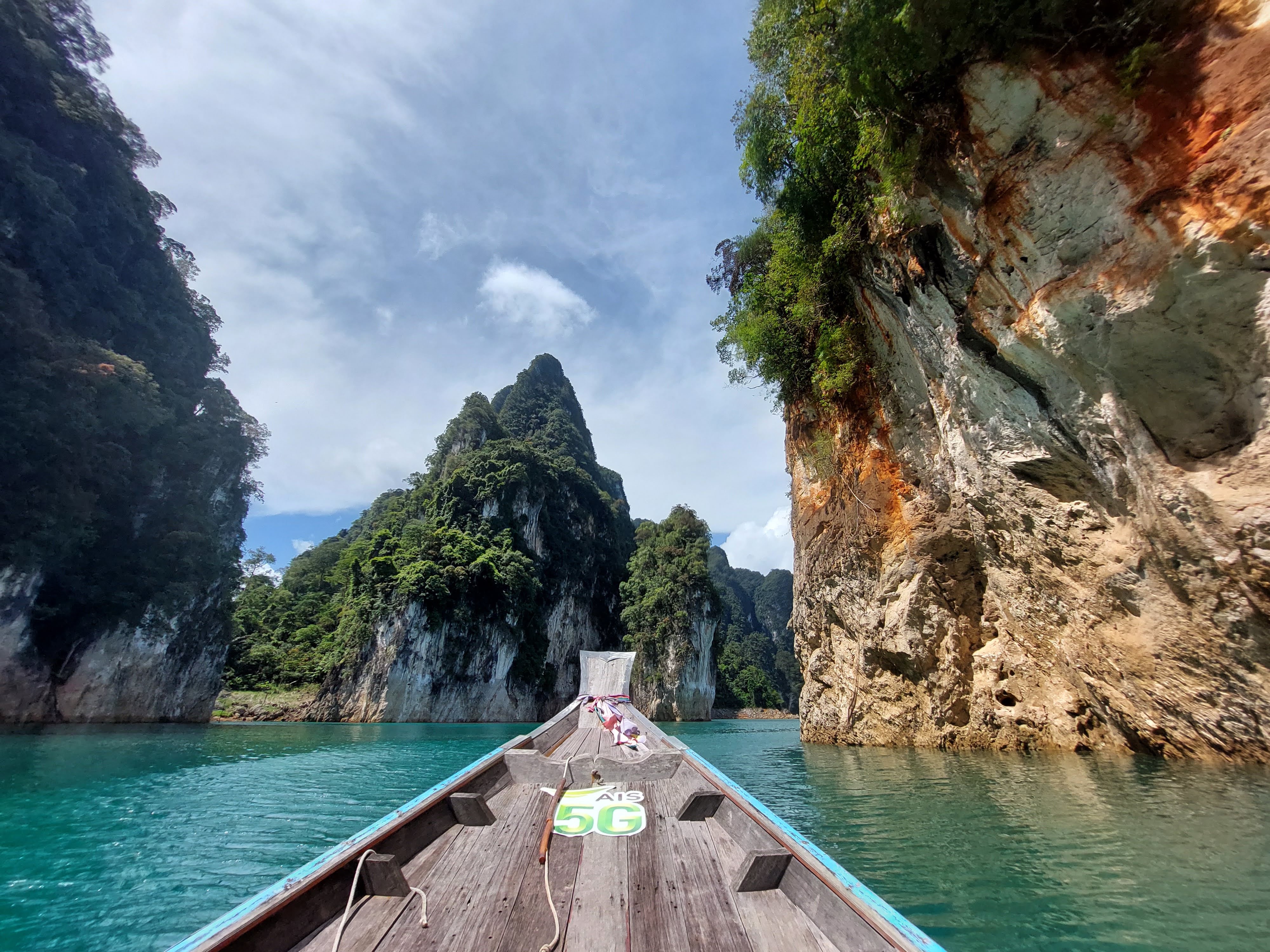
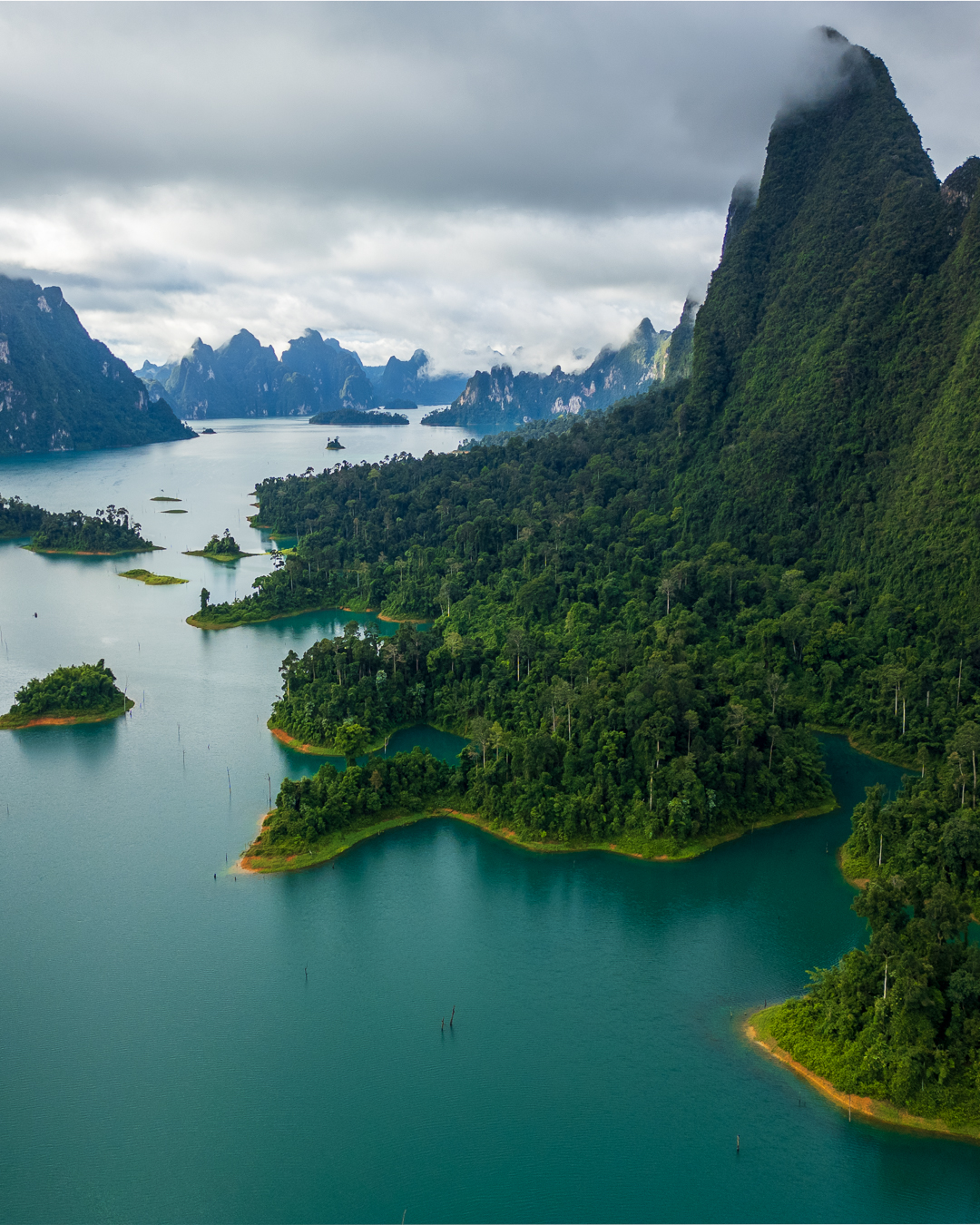
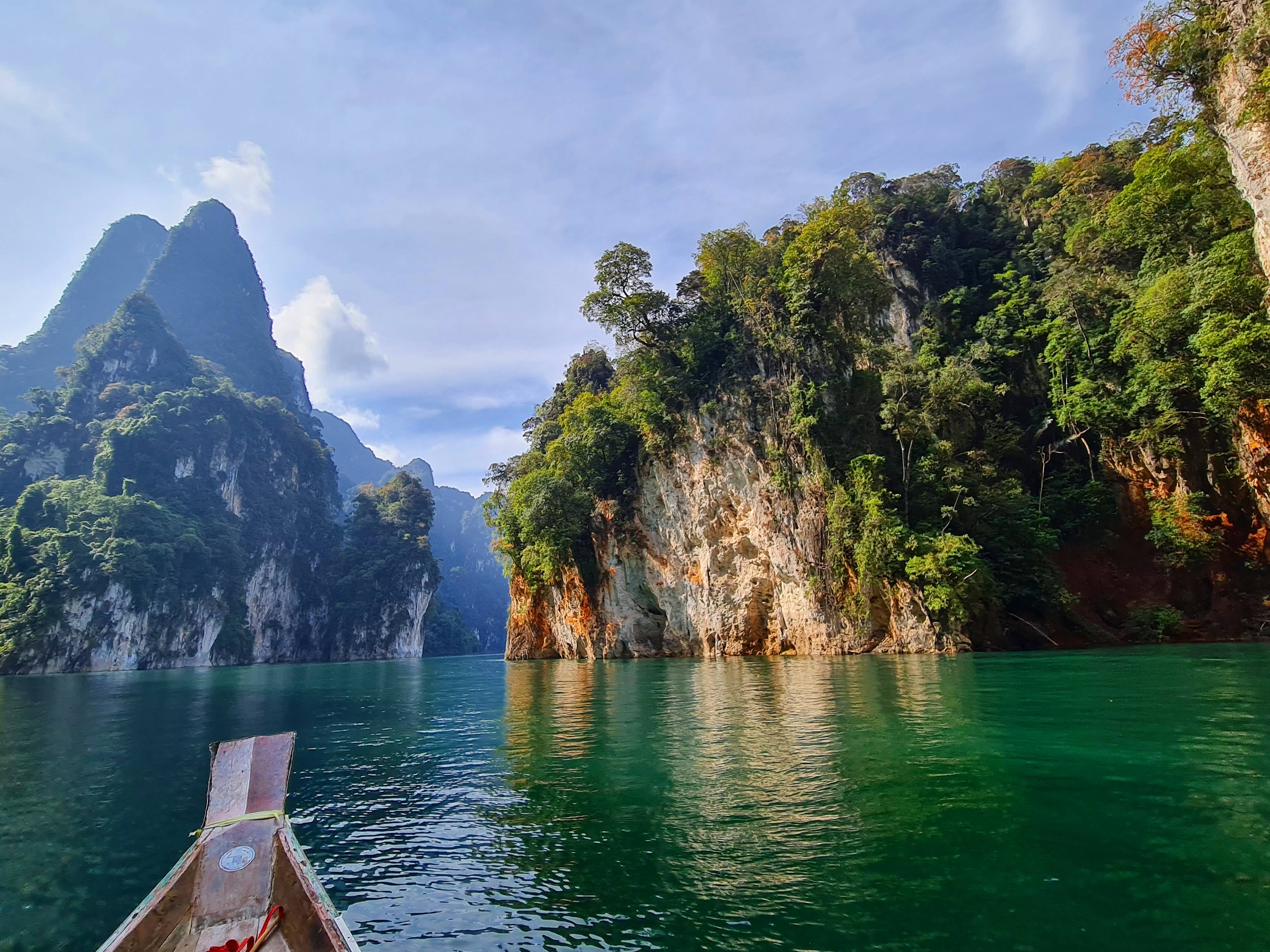
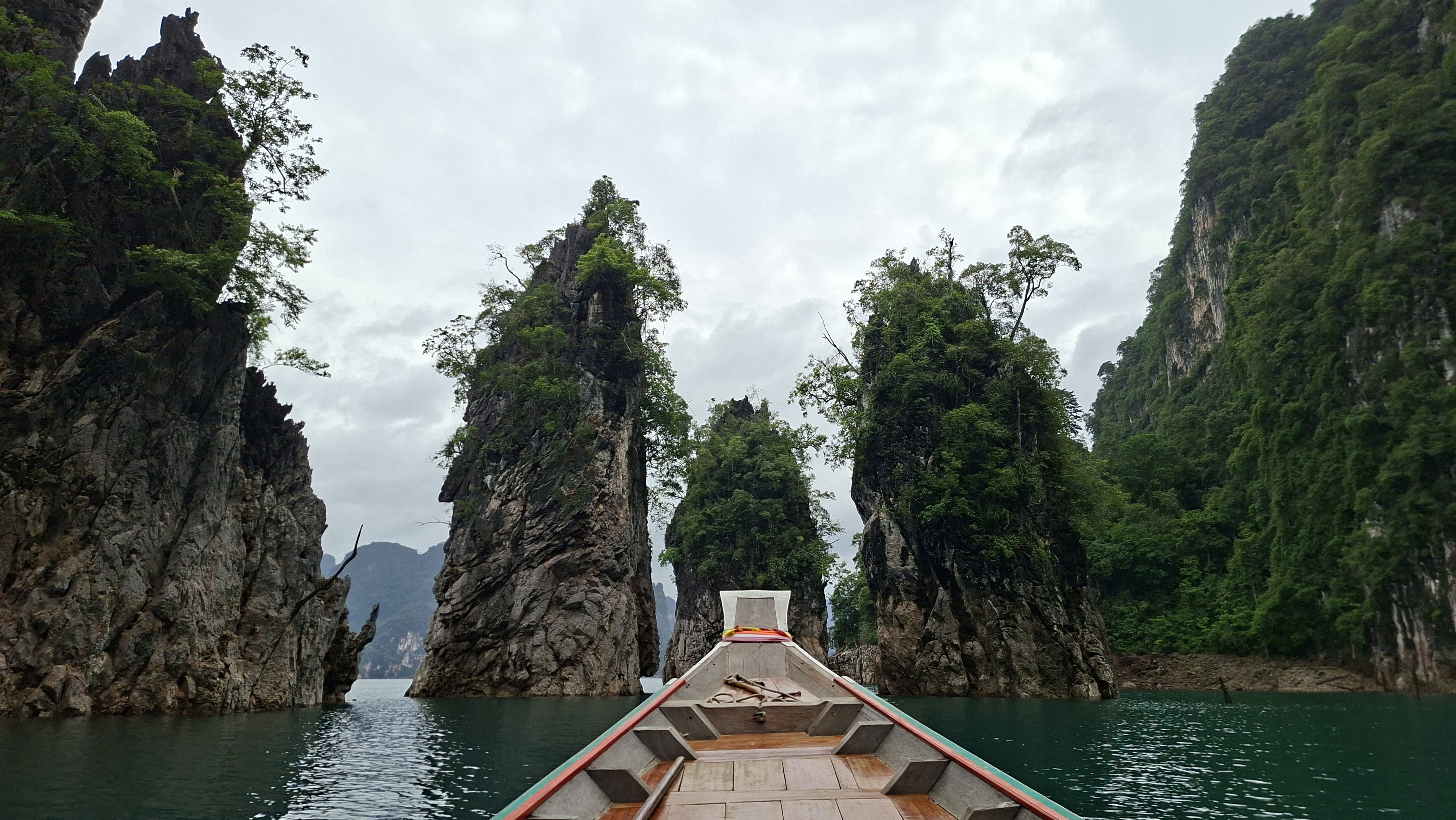
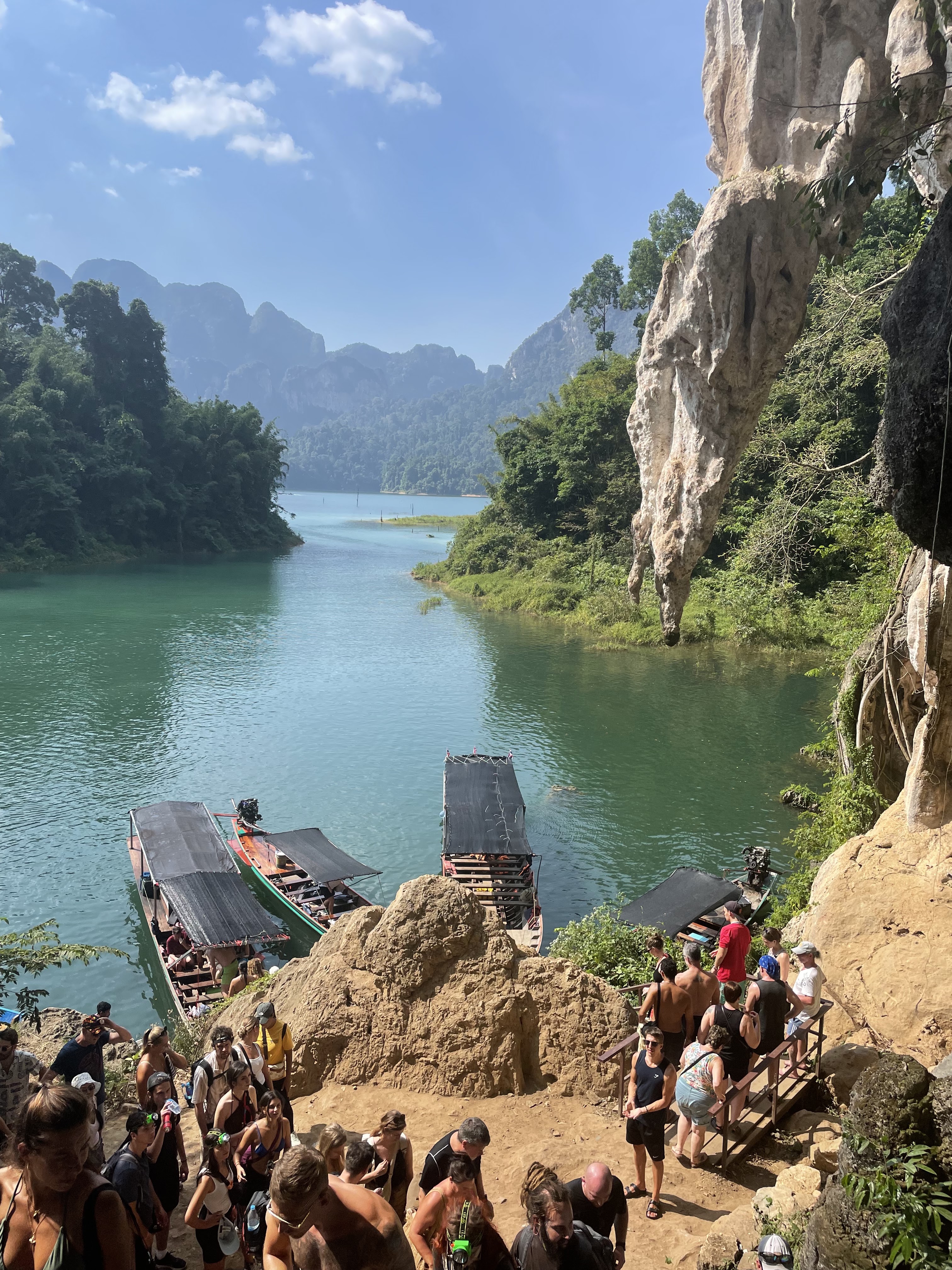
At its centre lies Cheow Lan Lake (ทะเลสาบเชี้ยวหลาน), a vast emerald reservoir created in the early 1980s when the Ratchaprapha Dam flooded a hidden valley. Today the lake's limestone karsts rise straight from the water, sheltering gibbons, hornbills and — with luck — wild elephants.
“Stand still on the lake at dawn and the only sound is the call of a gibbon echoing across 160 million years of forest.”
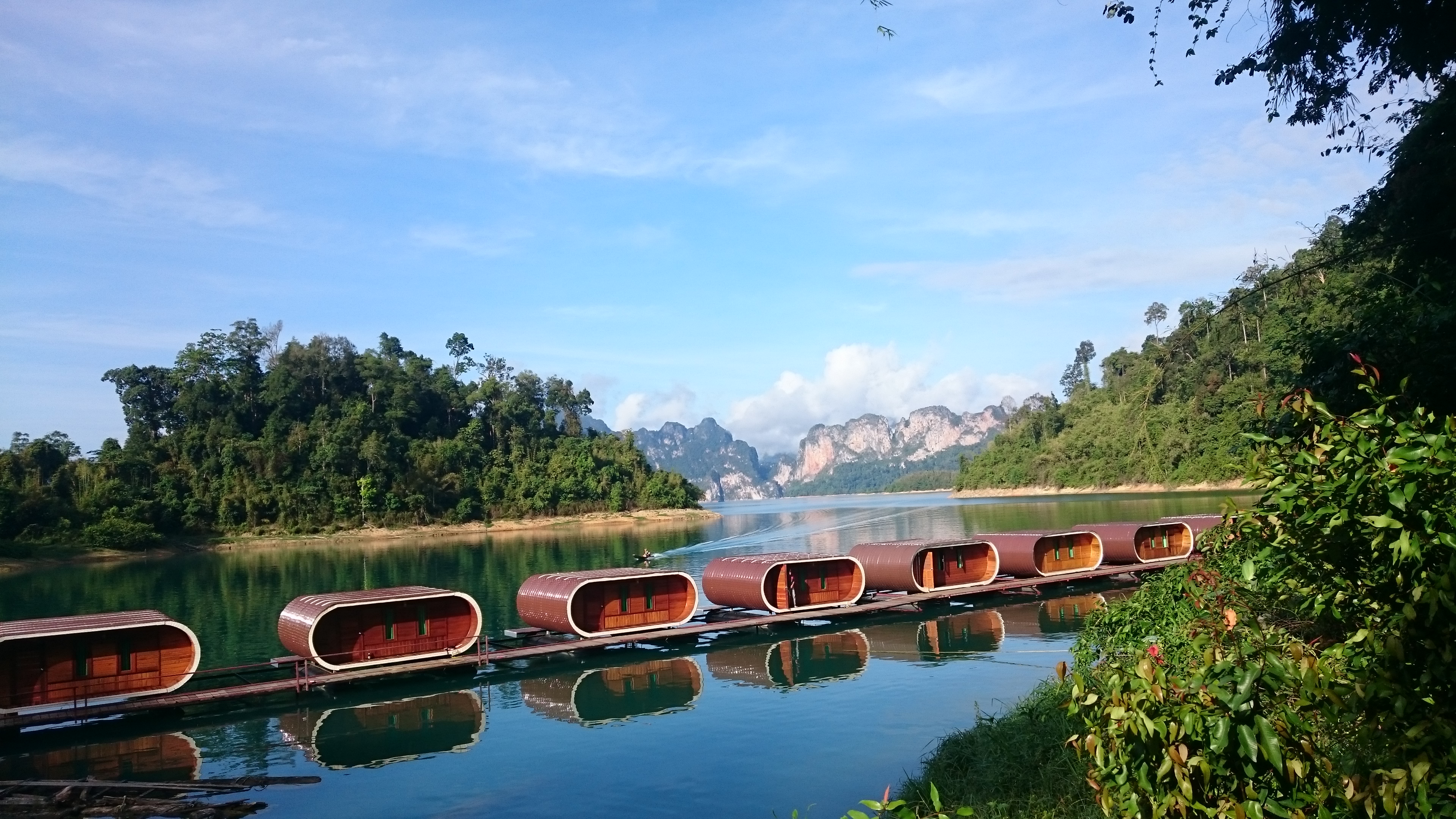
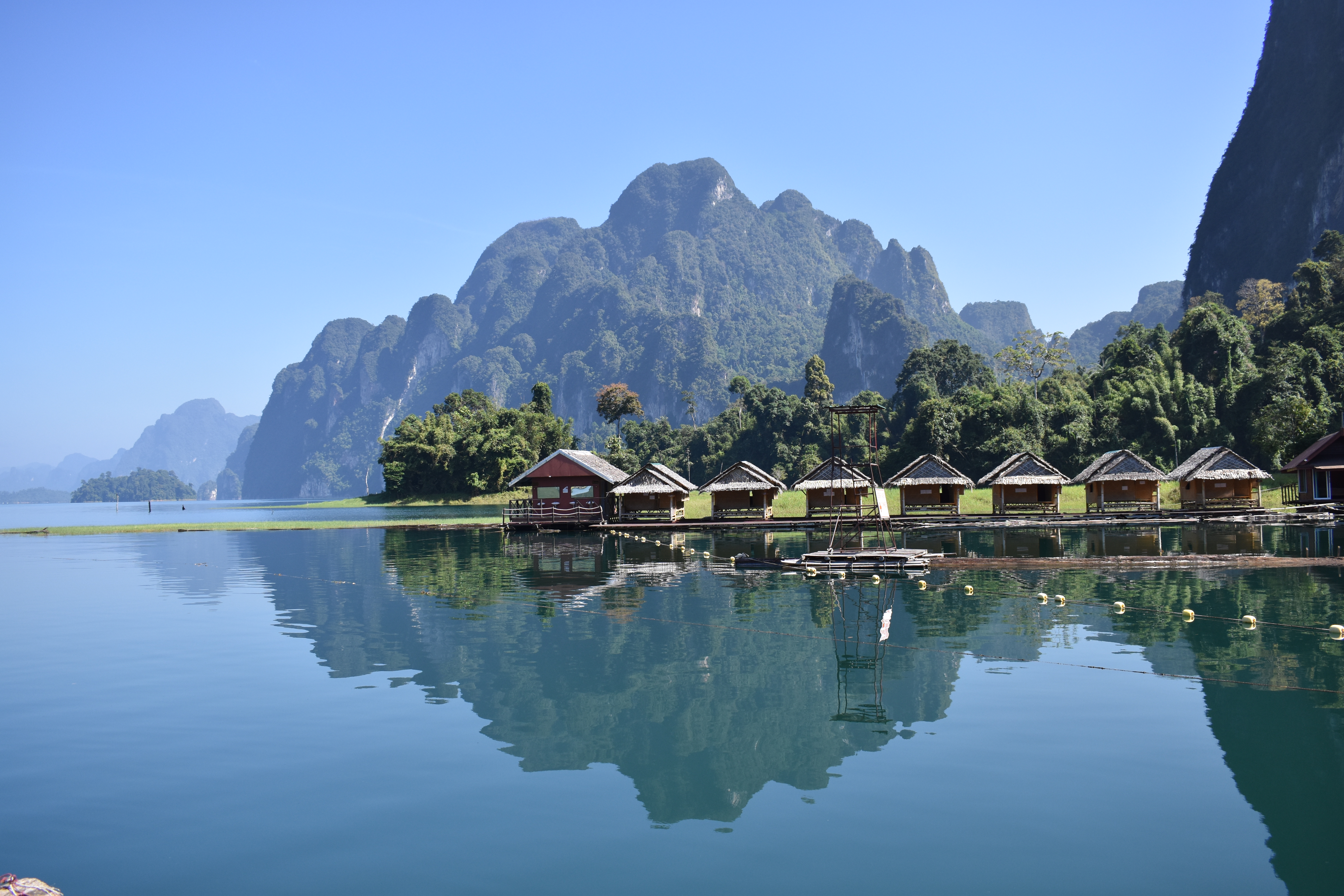
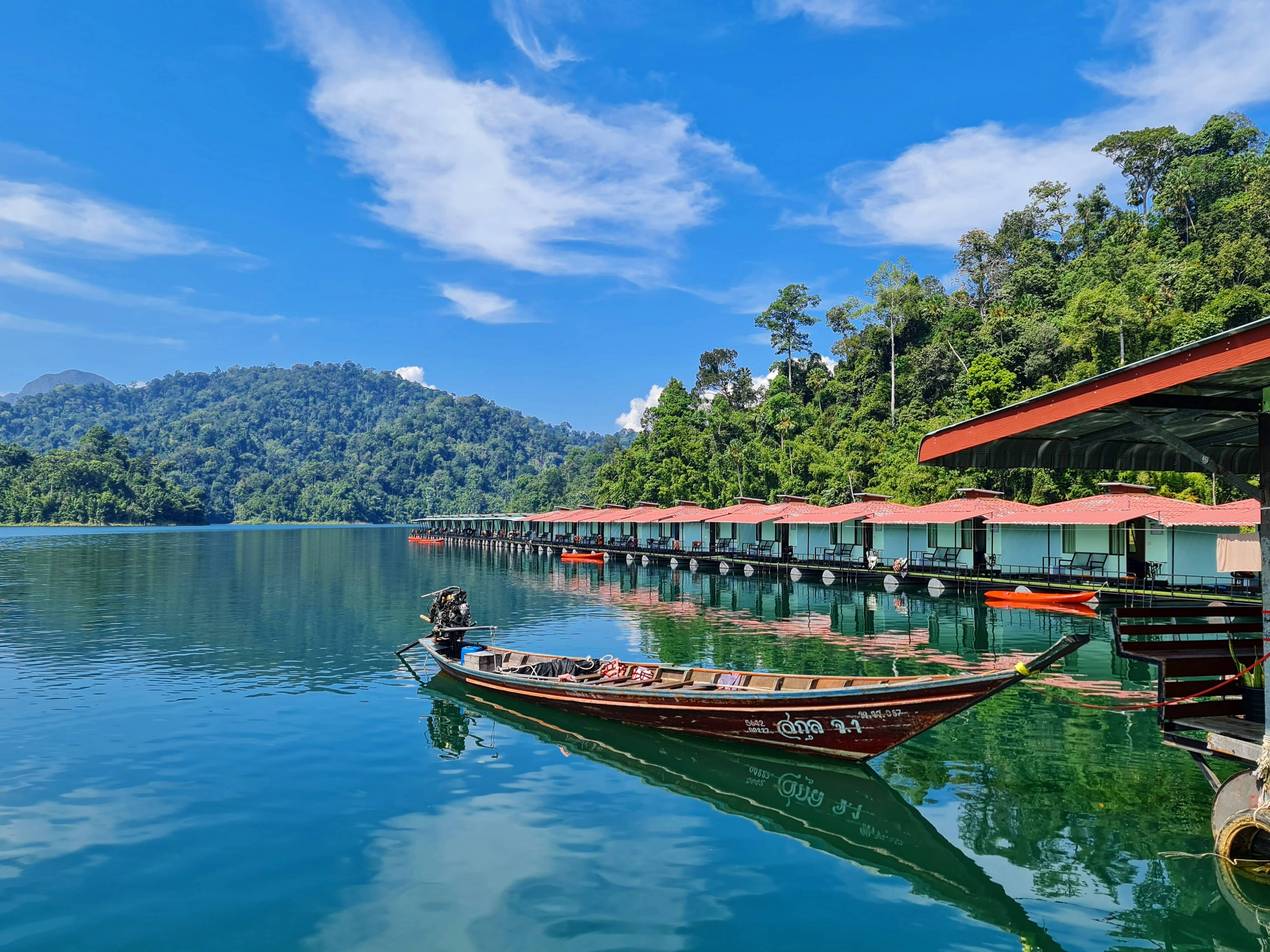
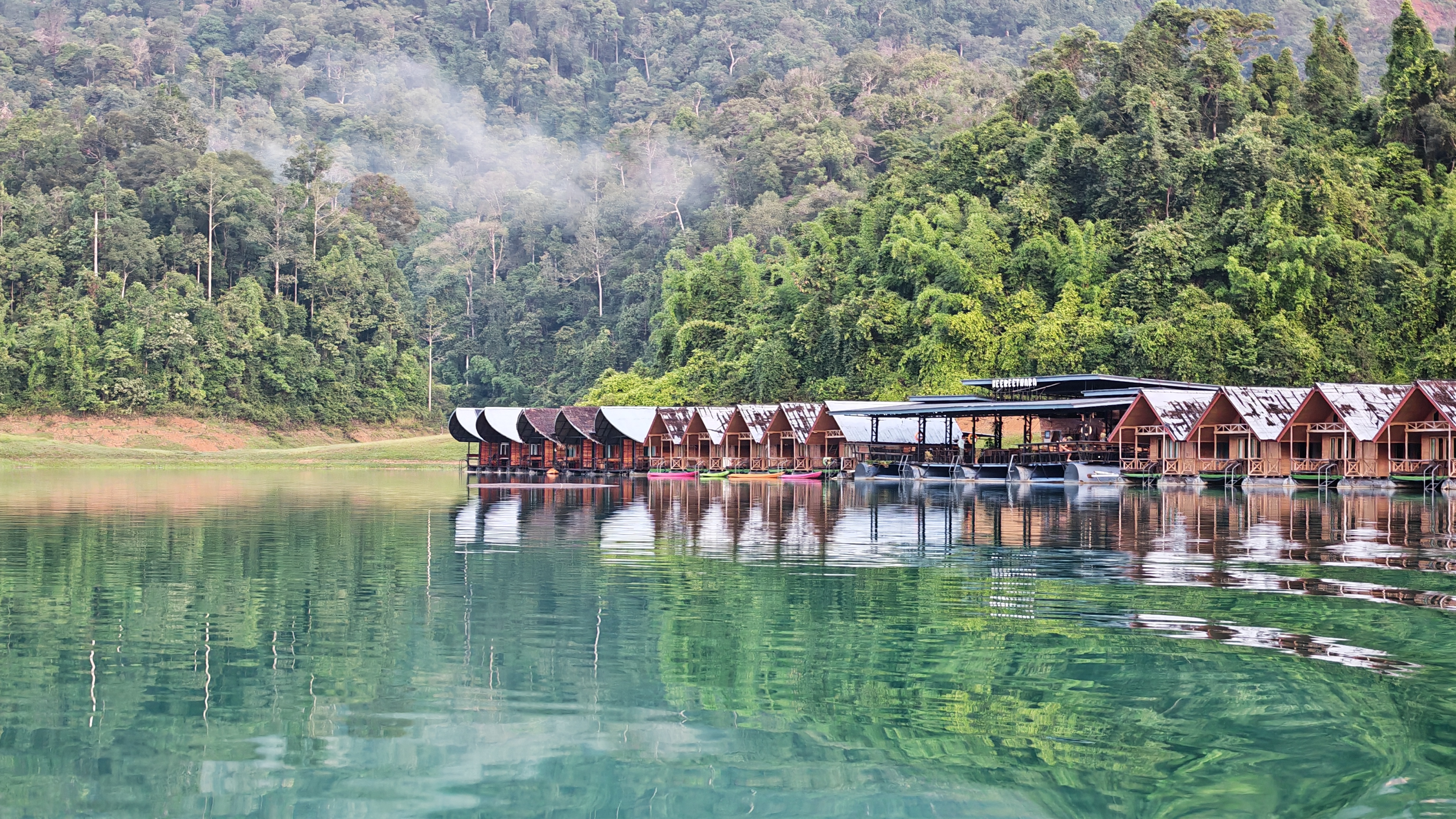
Stay at least one night on a lake raft house — dawn mist on the karsts is unforgettable
See map →Ecology
Ancient Rainforest & Karst Ecosystem
“Few places on Earth pack so many life forms into one valley — from pitcher plants to prehistoric ferns.”
Khao Sok sits where two monsoon systems meet, making it one of the wettest and most biologically intense places in Thailand. The lowland evergreen rainforest climbs into limestone mountains (โควาหินปูน), while the lake adds a unique aquatic habitat.
1. The Wettest Corner of Thailand
Both the southwest (May–Oct) and northeast (Nov–Feb) winds bring rain, so the forest stays lush almost year-round.
Mist clings to the karsts daily, dripping moisture that feeds countless ferns, mosses and orchids.
Unbroken ancient forest stores vast carbon and shelters species found almost nowhere else.
2. A Botanical Time Capsule
Thailand's largest flower (up to 80 cm across) blooms briefly on forest vines; a true Khao Sok specialty.
- Peak bloom (Nov–Mar) — Seen with a certified guide leading you deep into the forest; in the rainy season trails are muddy and most Rafflesia are only buds or already decayed — not the best time to see them.
- Pitcher plants & orchids — Hill streams hide Nepenthes pitcher plants; trunks wear epiphytic orchids and ferns.
Towering dipterocarps, palms and rattan form layered canopy, understory and forest floor.
- Wild bananas & gingers — Shady trails glow with wild ginger flowers and begonias.
- Bamboo & rattan — Dense thickets that shelter small mammals and birds.
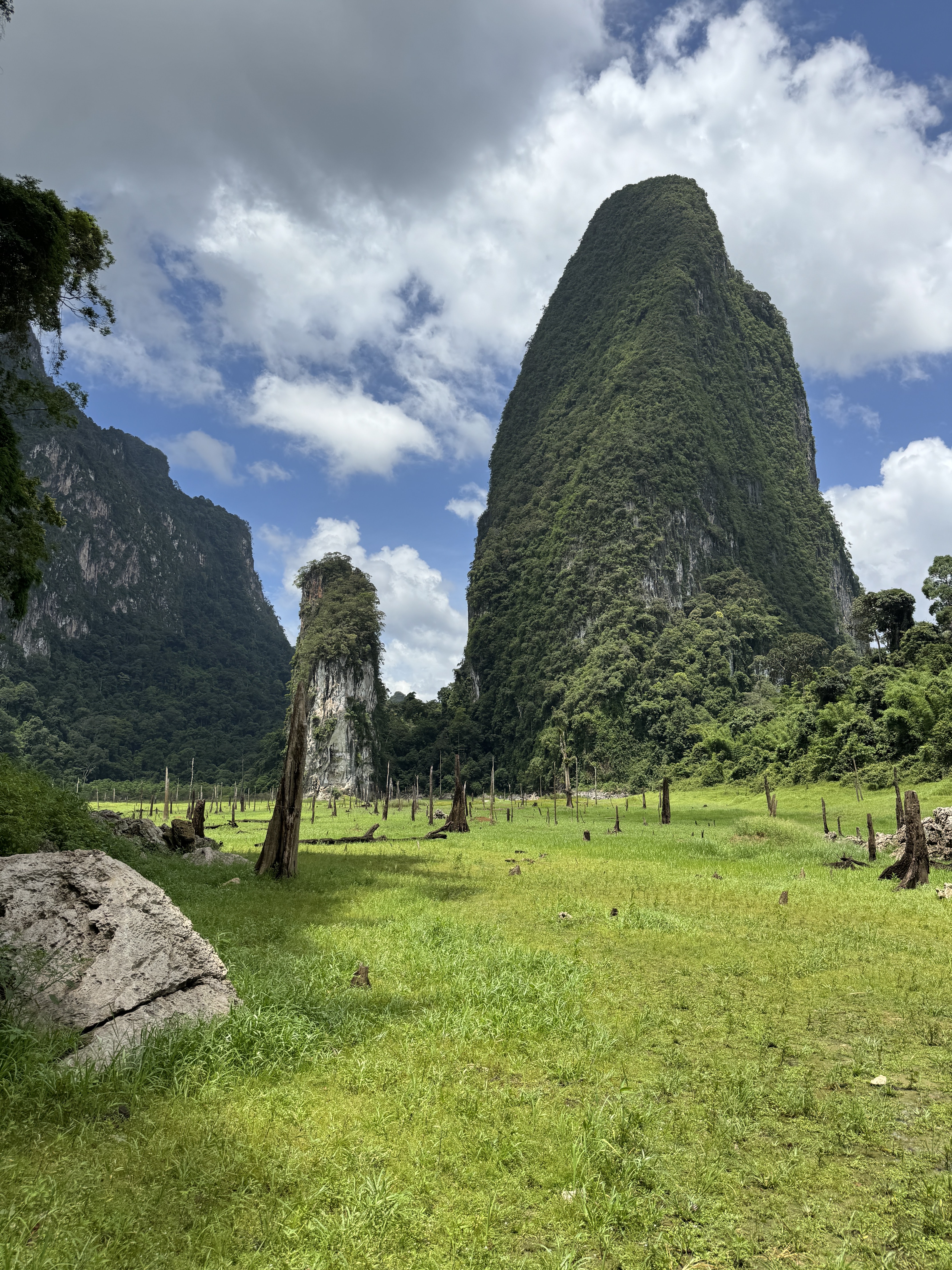
Sheer karst walls host unique ferns and fig trees whose fruits draw hornbills and gibbons.
3. Wildlife of the Food Chain
- Mammals: Asian elephant, Malayan tapir, gaur, leopard, dhole and several gibbon species roam the deeper forest
- Birds: hornbills (great, wreathed, bushy-crested), broadbills, kingfishers and migratory species over the lake
- Reptiles & amphibians: monitor lizards, reticulated pythons and a chorus of frogs after rain
4. Protection: Leave No Trace
This is a fragile, protected rainforest — small actions keep it wild for the next visitor.
- Stay on trails and boardwalks; never pick Rafflesia, orchids or any plant
- Take all rubbish out — there is no bin on the lake or deep trails
- Keep quiet on night safaris and never feed or approach wildlife
🌿 Fauna & Flora Checklist
Take this checklist to Khao Sok and log your encounters with the rainforest's residents:
🗓 Best: Nov–Mar
Rarity: ★★★★★
🗓 Year-round · best at dawn/dusk in the canopy
Rarity: ★★★★
🗓 Heard year-round · morning calls by the lake
Rarity: ★★★★
🗓 Deep forest / lake shores
Caution: keep 50 m+ distance
History
History & Significance of Khao Sok National Park
From ancient rainforest to modern national park — and a lost valley now beneath the lake
250 Million Years Ago — An Ancient Ocean Reef
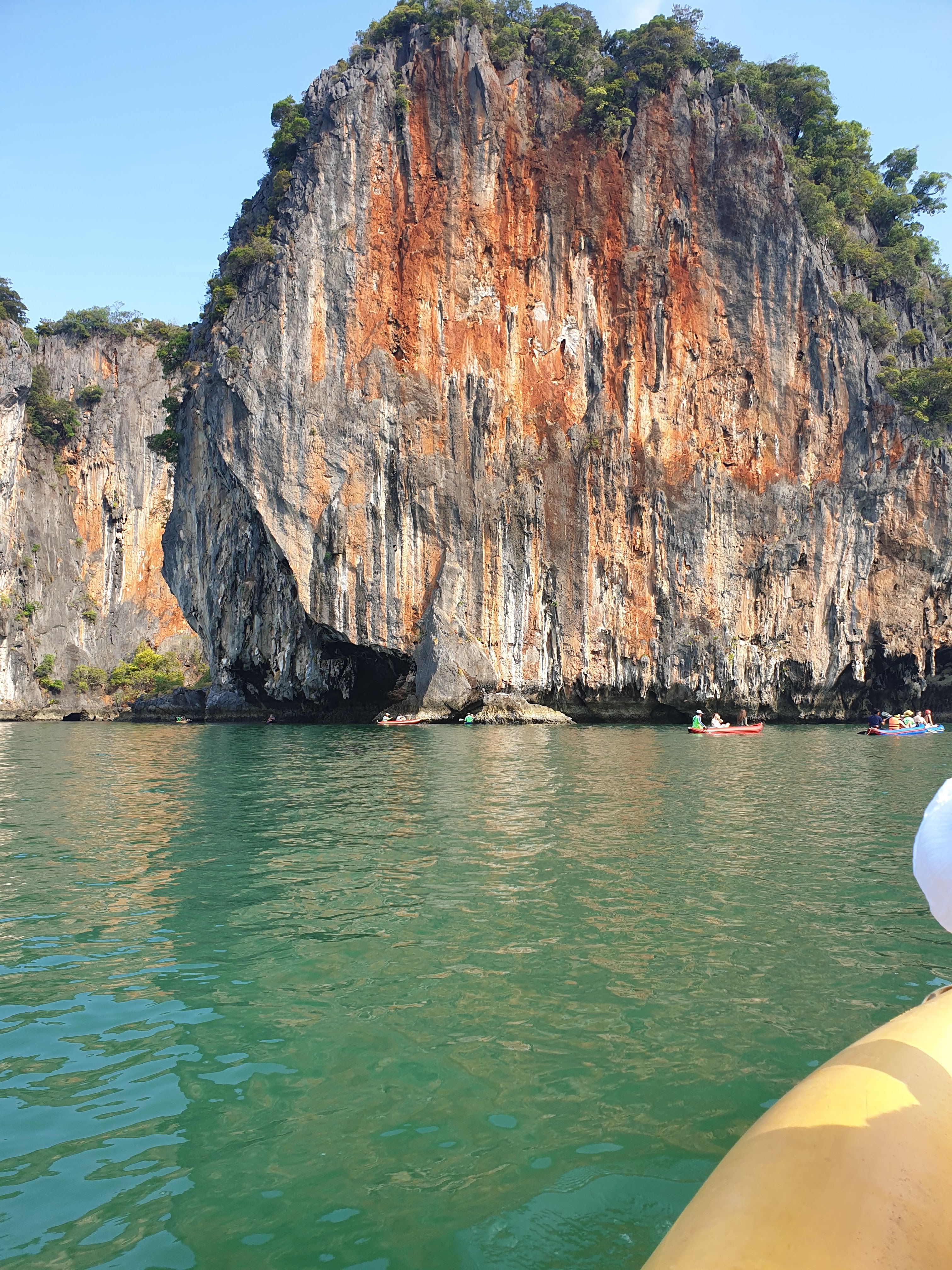
The steep karst limestone peaks of Khao Sok are not ordinary mountains — they were once a vast coral reef in the Permian ocean 250 million years ago. Tectonic uplift raised them, and millions of years of rain carved them into the 'underwater Ha Long Bay' we see today.
160 Million Years — An Eternal Rainforest
When ice ages reshaped the planet, Khao Sok's position between two monsoon systems spared it from drought, leaving one of Earth's oldest, unbroken evergreen rainforests — estimated at around 160 million years old, older than the Amazon.
The 1970s — A Forest Sheltered by History
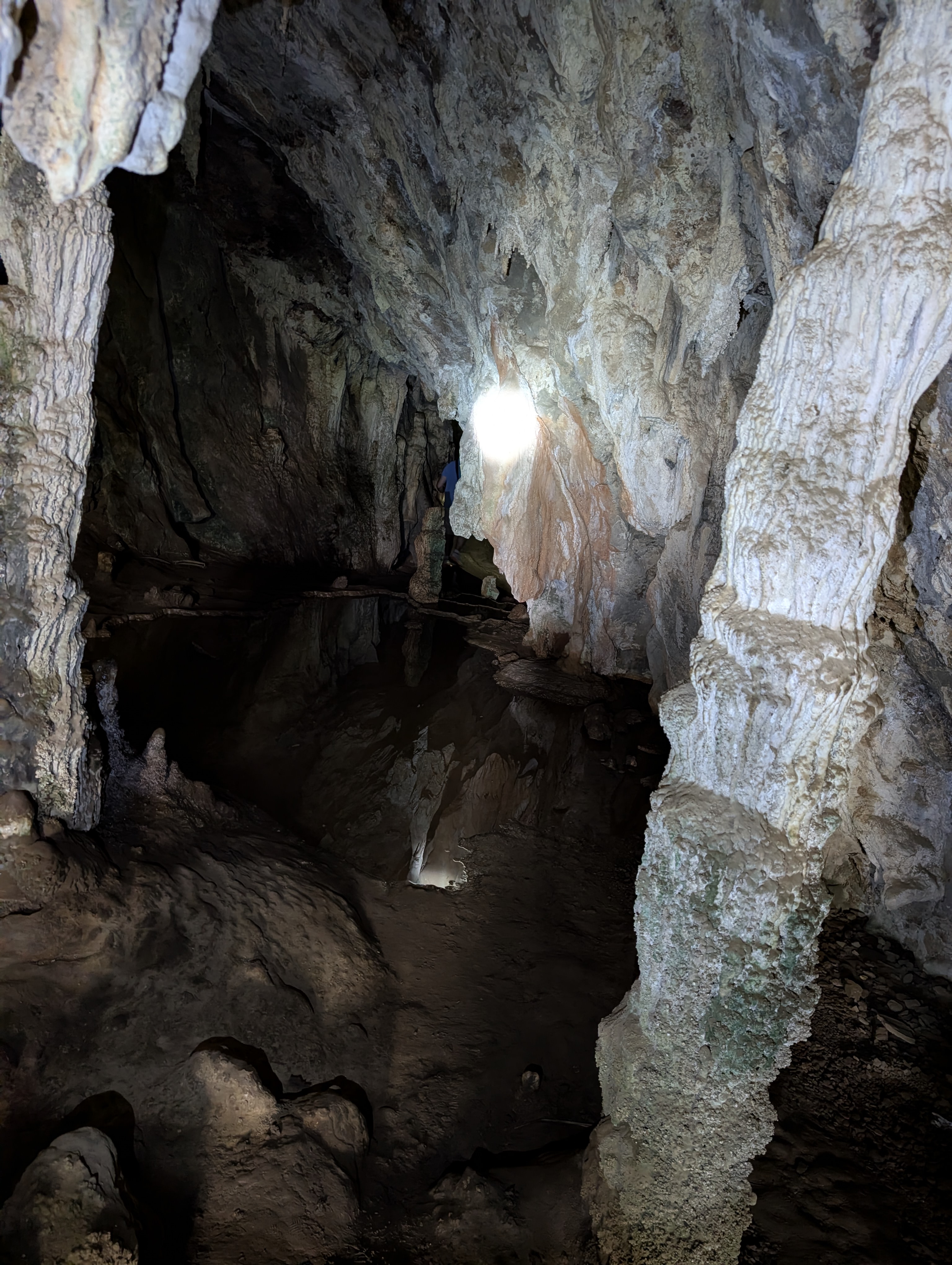
Between 1975 and 1982, Khao Sok's deep jungle and caves (such as Ai Po Cave) served as a hidden base for student activists and guerrillas. The military standoff that followed unexpectedly sealed off the area, keeping out commercial loggers and miners and miraculously sparing this ancient rainforest from the wholesale deforestation of 1970s Southeast Asia.
1980 — National Park & the Dam
In December 1980, Khao Sok became Thailand's 22nd national park. Soon after, the Ratchaprapha Dam was built; its rising waters created the ~165 km² emerald Cheow Lan Lake, turning a hidden valley into a stunning watery maze.
📜 Place-name Legend: From 'Mountain of Corpses' to 'Mountain of Hair'
The name 'Khao Sok' comes from a sorrowful past. In the late 19th century (or 1944, by some accounts), a severe epidemic (cholera/smallpox) ravaged local villages. The mountain was first named 'Khao Sop' (เขาศพ, 'Mountain of Corpses'). Later, to invite good fortune and dispel the gloom, locals changed the pronunciation to 'Khao Sok' (เขาสก, 'forest as lush and long as flowing hair'). Elders still believe the ancient village temples submerged by the dam guard the waters of Cheow Lan Lake, and that on calm mornings you may hear their serene bells ringing softly from below the surface.
Did you know?
Khao Sok's rainforest is around 160 million years old — older than the Amazon — and its limestone peaks that rise from the water are actually 250-million-year-old Permian coral reefs. It is also home to one of the world's largest flowers, the Rafflesia kerrii.
Visitor Guide
Planning Your Visit
Everything you need to explore Khao Sok safely — permits, transport, the lake and trekking
Two Zones: Don't Go to the Wrong One
First-time visitors often confuse the 'Park HQ' with 'Cheow Lan Lake'. The two are about 50 km apart and offer very different experiences:
Best for: Jungle trekking, waterfalls, Rafflesia spotting, tree-house stays
In Phanom District, Surat Thani, postcode 84250. Land-based rainforest, trails, waterfalls and jungle lodges.
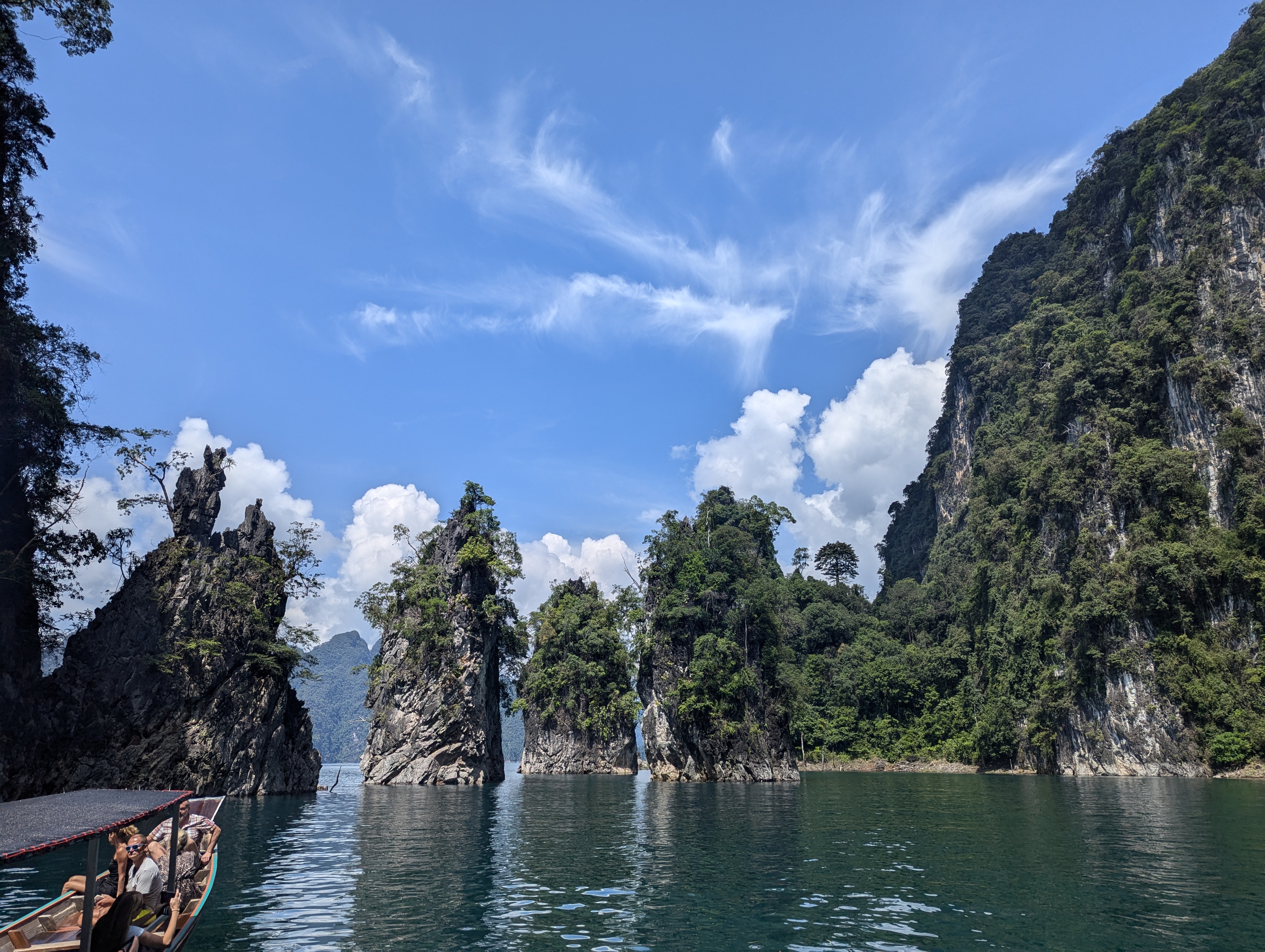
Best for: Long-tail boat trips, floating raft houses, limestone karsts (Three Sisters), cave visits
In Ban Ta Khun District, postcode 84230. Reach it by boat from the Ratchaprapha Dam — the heart of the lake scenery and floating stays.
06:00 – 18:00
- Park open, daily (Mon–Sun)06:00–18:00
- Visitor centre / ticket windowabout 08:00–16:30
- Boats on Cheow Lan LakeNo sailings before sunrise or after sunset
- Night activitiesHQ zone only, with a guide
- Staying overnightDesignated lodges and camping only
National Park Entrance Fee
- Foreign visitors — lake zone (Ratchaprapha Dam)Adult 300 THB / child 150 THB — the rate most lake visitors pay
- Foreign visitors — park standard (DNP rate group 2)Adult 200 THB / child 100 THB
- Thai nationalsAdult 40 THB / child 20 THB
- Child rate applies toAges 3–14, or height up to 140 cm
Fees are set by the Department of National Parks (DNP) and paid in cash at the checkpoint. Khao Sok is in DNP rate group 2; the Ratchaprapha Dam / Cheow Lan Lake zone has been designated a special-fee area since 1 May 2024. If prices change, the on-site notice at the checkpoint prevails.
How to Get There
- From Surat ThaniThe park HQ (Phanom District) is about 110–120 km (1.5–2 hrs' drive) west (south-west) of Surat Thani city; the Ratchaprapha Dam pier for Cheow Lan Lake (Ban Ta Khun District) is about 60–65 km west. Buses, minivans and taxis connect the city, railway station and park.
- From Phuket / KrabiRoughly 2.5–3 hrs by road; many combine Khao Sok with Andaman coast trips.
- Lake & dam transferThe Ratchaprapha Dam (gateway to Cheow Lan Lake) is ~1 hr from the park HQ; most lake tours include transfer.
- From the airportSurat Thani Airport (URT) is ~70 km away; Phuket (HKT) and Krabi (KBV) are 2.5–3 hrs. Pre-book a van or join a tour.
Photography & Lake Guide
Khao Sok is a photographer's dream: misty karsts at dawn, glassy lake reflections and wildlife in low light.
Best Light Windows
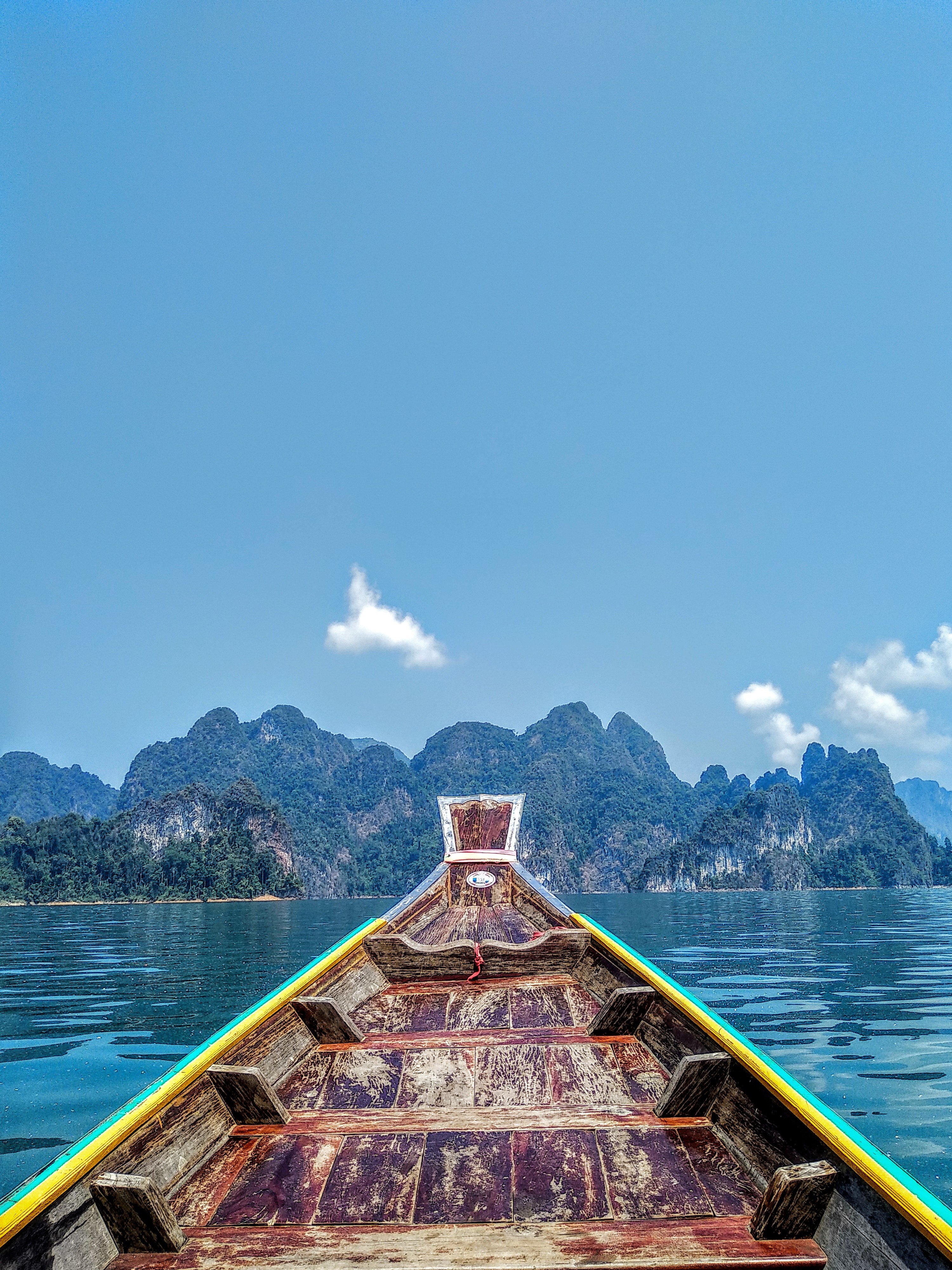
Dawn mist on the lake — soft light, glassy water and the iconic karst silhouettes. Best for raft-house sunrise shots.
Clearer skies; good for trekking photos, waterfalls and wildlife along the trails.
Golden light on the limestone cliffs; the lake turns amber before sunset.
3 Golden Spots
View: Limestone karsts mirrored in still water — the postcard shot of Khao Sok.
Composition: Shoot from a raft house or long-tail boat at first light; use a wide lens and a polariser to deepen the emerald water.
View: Dramatic limestone gorge where a cool stream meets the jungle.
Composition: Bring a waterproof bag; long exposure on the flowing stream gives silky water.
View: Canopy walkways and ridges open onto valley panoramas.
Composition: Use a telephoto to compress layers of mist and forest.
Camera & Phone Settings
Camera: Shutter 1/4s–1s · f/8–f/11 · ISO 100 · tripod + ND filter
Phone: iPhone: shoot Live Photo then 'Long Exposure'. Android: Pro mode, shutter 0.5s–1s.
Camera: Shutter 1/500s–1/1000s · f/4–f/5.6 · ISO 400 · telephoto 200–400mm
Phone: Tap the subject to focus; use 2×–5× zoom and burst mode for birds.
Gear Care & Pitfalls
- Humidity is extreme — pack silica gel and a dry bag for cameras and phones.
- A polariser is the karst cheat: it cuts glare on water and deepens the emerald tones.
- Leeches are common on wet trails — wear long socks and check legs after treks.
- Boats move; brace your camera or use faster shutter to avoid blur on the lake.
Best Season
Khao Sok has two broad seasons. The dry window is most comfortable; the green season is lushest.
Best weather · Easier trekking
Lower rainfall, clearer trails and calm lake water — the most popular and comfortable time, though still humid. Book raft houses ahead.
Lush & wild · Wildlife active
Heavy monsoon rain fills the lake and makes vegetation lush — also the most spectacular waterfalls and active wildlife. But trails flood easily and leeches thrive, and this is NOT the Rafflesia peak (that is the dry season, Nov–Mar). Bring proper rain gear.
Safety Tips
- Leeches & insects — Wet forest means leeches and mosquitoes — use repellent and cover up on treks.
- Boat & lake safety — Always wear a life jacket on long-tail boats; weather on the lake can change fast.
- Wild elephants — Never approach or feed elephants; keep a safe distance and follow your guide.
Accessibility & Family Tips
The park HQ and lake pier are easy to reach, though deep jungle treks are rugged.
- Easy HQ access — The visitor centre, restaurants and boat pier are near the road with parking and toilets.
- Gentle options — Short nature trails and a boat cruise suit families and seniors; longer treks need fitness.
- Facilities — Shops, food stalls and lodges cluster near the entrance; avoid midday heat — go early or late.
Frequently Asked Questions
When is the best time to visit Khao Sok? +
December to April is driest and most comfortable; May to November is lush and wildlife-rich but wet. The lake is beautiful year-round.
Do I need a guide for trekking? +
Short trails are self-guided, but jungle treks, caves and Rafflesia spotting require a certified guide, arranged at the park HQ.
Can I stay on Cheow Lan Lake? +
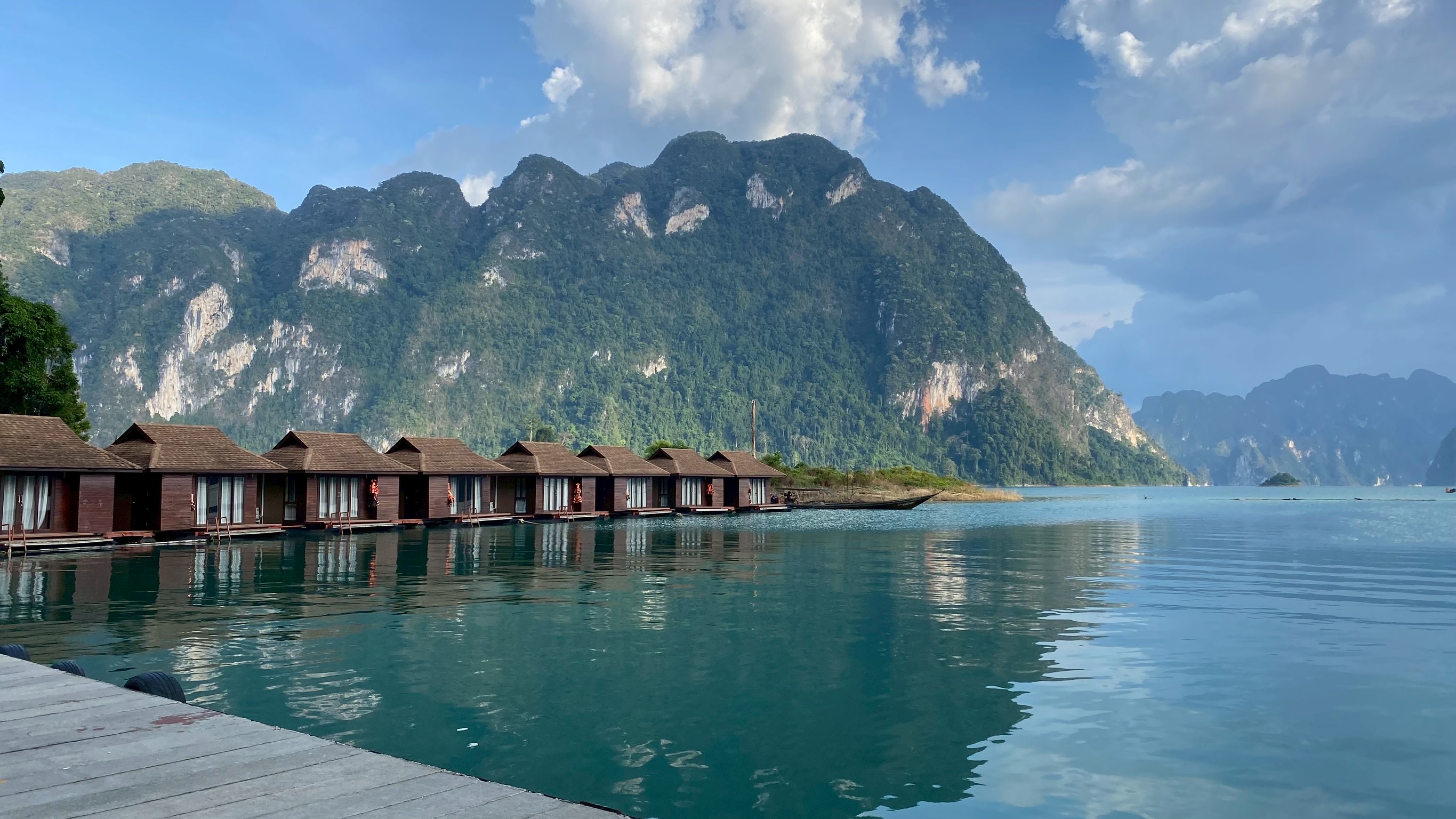
Yes — floating raft-house lodges offer overnight stays with meals; most packages include boat transfer from the dam.
Is there an entrance fee? +
Yes. Foreign visitors pay 200 THB (adult) / 100 THB (child) under DNP rate group 2, and the Ratchaprapha Dam / Cheow Lan Lake zone is a designated special-fee area at 300 THB (adult) / 150 THB (child) — the amount most lake visitors pay. Thai nationals pay 40/20 THB. Lake boats and raft houses are priced separately. If prices change, the on-site notice prevails.
How do I get there from the coast? +
Phuket and Krabi are about 2.5–3 hours away by road; many visitors combine Khao Sok with an Andaman beach trip.
Where is Khao Sok National Park located? +
Khao Sok National Park is located in Khao Phang, Ban Ta Khun District, Surat Thani Province, Thailand (Plus code XJHQ+37), about 110–120 km west of Surat Thani city.
Is Khao Sok National Park free to visit? +
No. Foreign visitors pay 200 THB (adult) / 100 THB (child) at the park standard rate, or 300/150 THB in the Ratchaprapha Dam / Cheow Lan Lake special-fee zone. Thai nationals pay 40/20 THB. The park is open daily from 06:00 to 18:00; Cheow Lan Lake boat tours are priced separately. If prices change, the on-site notice prevails.
Can I visit Khao Sok National Park as a day trip? +
Yes — a day trip is possible from Surat Thani, Phuket, Krabi or Khao Lak, but staying one night in a Cheow Lan Lake raft house is what most visitors remember most.
Landmarks & Attractions Around Khao Sok
When visiting Khao Sok National Park, visitors can easily explore surrounding landmarks and points of interest, including Cheow Lan Lake and Ratchaprapha Dam.
The emerald reservoir of limestone karsts and floating raft houses — Khao Sok's signature sight.
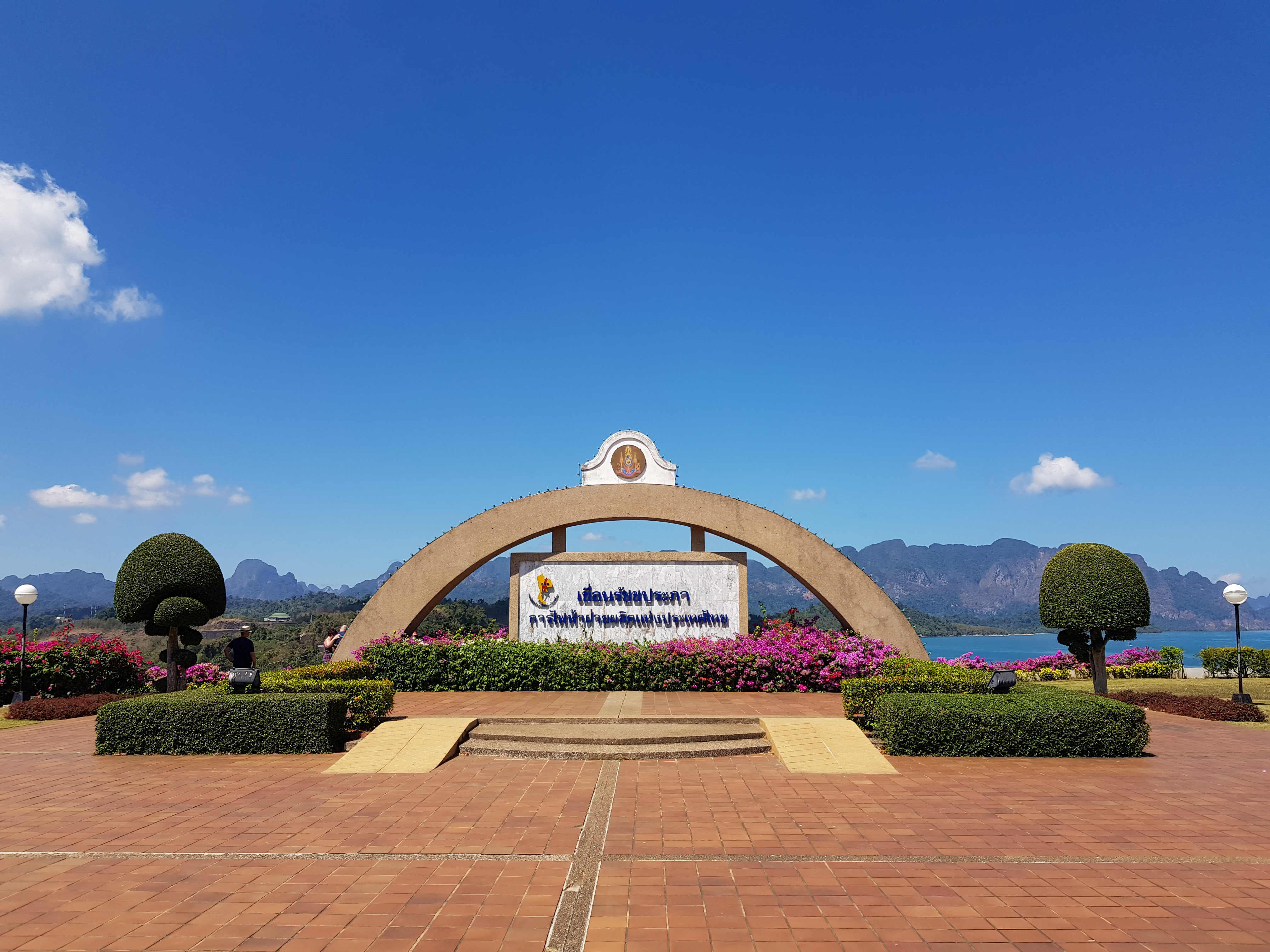
→ Learn moreThe dam that created the lake, with viewpoints over the flooded valley.
→ Learn moreAdjacent rainforest with caves and waterfalls, great for quieter trekking.
→ Learn moreLive weather
Weather & what to do about it
Built from live conditions at Khao Sok, we skip the numbers and tell you what to wear, what to do today and what to pack.
Loading live weather…
Food & Drink
Food in & Around the Park
Southern Thai flavours and simple jungle meals — many enjoyed on the lake itself
Fiery Southern Thai curry with fermented fish paste — bold and aromatic
Grilled or fried fish from the lake, served at raft-house restaurants
Herbal rice salad with lemongrass, lime and grated coconut
Chilled young coconut — the perfect trail refresher
Rambutan, mangosteen and durian in season from local orchards
“Breakfast on a raft house, watching mist lift off the karsts — that's Khao Sok.”
Menu prices are indicative; if prices change, the price posted on site prevails.
Gallery
Scenes of Khao Sok National Park
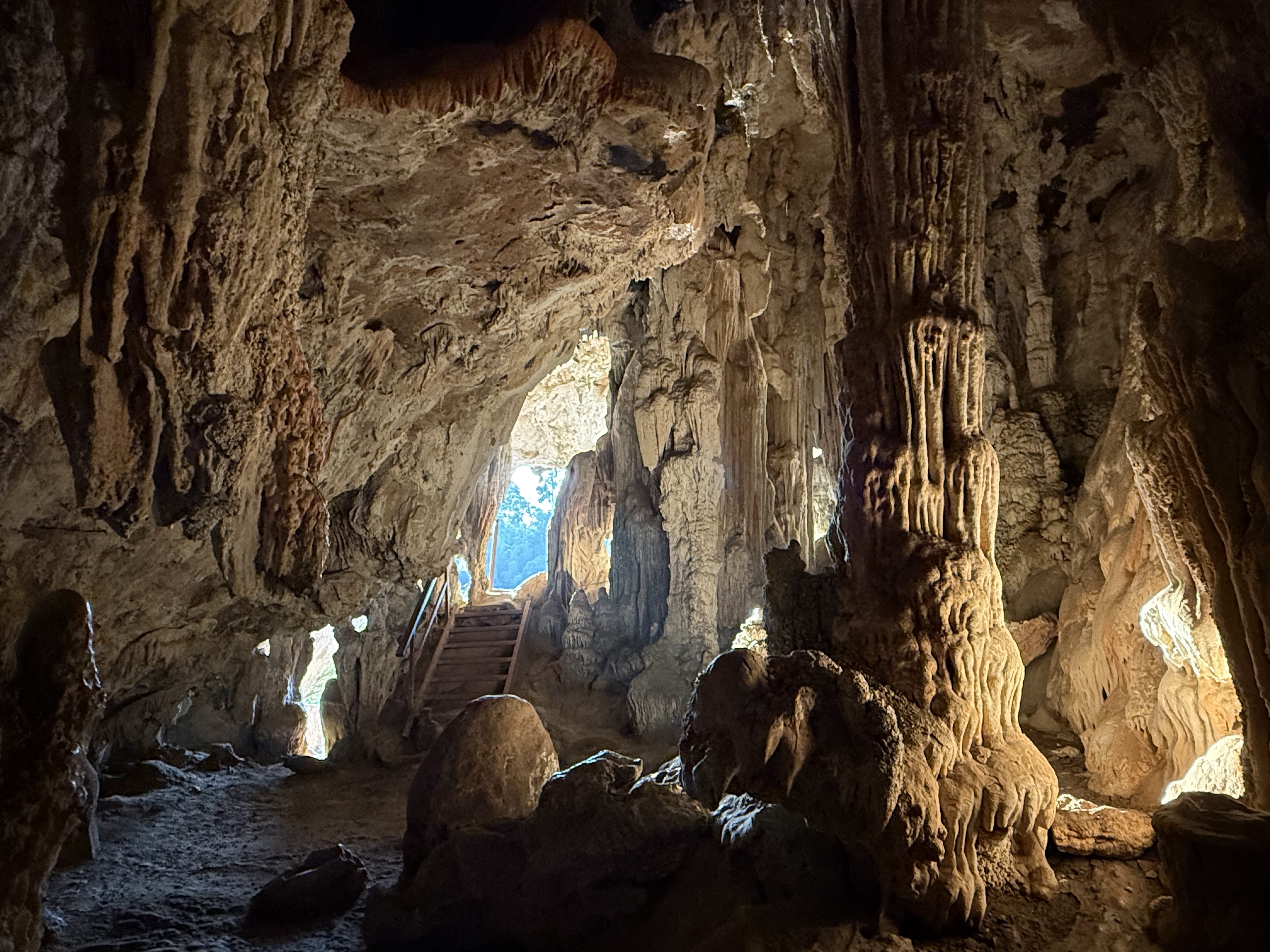
Limestone karsts, the emerald lake, deep rainforest and the wildlife that calls it home
Reviews
What Visitors Say
A summary of traveller feedback on Google Maps to help you plan
4.7 / 5 · 8,924 Google reviews · synced September 2026
Rating and review count are quoted from user reviews on the Google Maps listing for Khao Sok National Park (synced September 2026). This site is not the publisher of these reviews; the rating is shown for reference only. View the original reviews on Google Maps ↗
Reviews are synced from Google Maps user reviews, synced September 2026; copyright belongs to the original authors and Google Maps.
As a non-profit educational site, we present both highlights and cautions honestly
See all reviews on Google Maps ↗
Cheow Lan Lake blew us away — stayed on a raft house and woke to mist on the water.
Great jungle trek with a guide who showed us Rafflesia and pitcher plants.
Very humid and leeches on the trail, but worth it for the scenery.
Took a long-tail boat at dawn — the karst reflections were perfect for photos.
Quiet, wild and beautiful. Bring rain gear even in the dry season.
The dam viewpoint is stunning; wish we'd booked two nights on the lake.
Family trip — kids loved the canoe and the cave. Easy enough near the HQ.
Busy at holidays; arrive early for parking and calmer water.
Sources
Sources & Photo Licensing
This site is a non-profit educational project. Content is compiled from public sources and photos are used under Creative Commons (CC) licences; copyright belongs to the original authors. Corrections are always welcome.
Photo licensing
- Gallery photos are used under CC BY / CC BY-SA and other Creative Commons licences. — View CC licences
- Photo sources include the Tourism Thailand (TAT) public image library and visitor-contributed open-licensed works.
Image rights: all images displayed on this site remain the property and copyright of their original photographers.
Data & facts
Attraction and history information is referenced from official sources — the Department of National Parks, Wildlife and Plant Conservation (DNP) and Tourism Thailand (TAT). Weather and daylight data come from the free Open-Meteo API.
Reviews
Reviews · synced September 2026 — sourced from Google Maps user reviews; copyright belongs to the original authors and Google Maps.
See all reviews on Google Maps ↗Found a mistake? Let us know
We strive for accuracy, but entrance fees and opening hours may change. If you spot any error, email us so we can fix it for every traveller.
Email a correction© 2026 Khao Sok National Park Info Station
Location
Location & How to Visit Khao Sok in Ban Ta Khun
In Surat Thani Province, Southern Thailand — the park HQ lies about 110–120 km west (south-west) of Surat Thani city, while the Cheow Lan Lake pier (Ban Ta Khun) is about 60–65 km west of the city; the two zones are ~50 km apart.
📍 Park HQ / Visitor Centre: Khao Sok, Phanom District, Surat Thani 84250; Cheow Lan Lake pier / Ratchaprapha Dam: Khao Phang, Ban Ta Khun District 84230 (the two zones are ~50 km apart — don't navigate to the wrong one).
🧭 XJHQ+37
🌐 8.9333° N, 98.5167° E
For official updates and regional tourism information, visit Thailand / Surat Thani Official Tourism Portal ↗ · Khao Sok National Park (Dept. of National Parks) ↗